Chest pain can be frightening, especially when it appears suddenly. Many people immediately worry that it is related to a heart problem. However, in many cases, chest pain is caused by stress and anxiety rather than a serious cardiac condition. Understanding the connection between stress and chest pain is essential for proper management and peace of mind.
Stress triggers physical changes in the body that can lead to muscle tension, rapid heartbeat, and tightness in the chest. Learning how to identify stress-related chest pain and knowing effective ways to relieve it can significantly improve quality of life.
Stress and Chest Pain
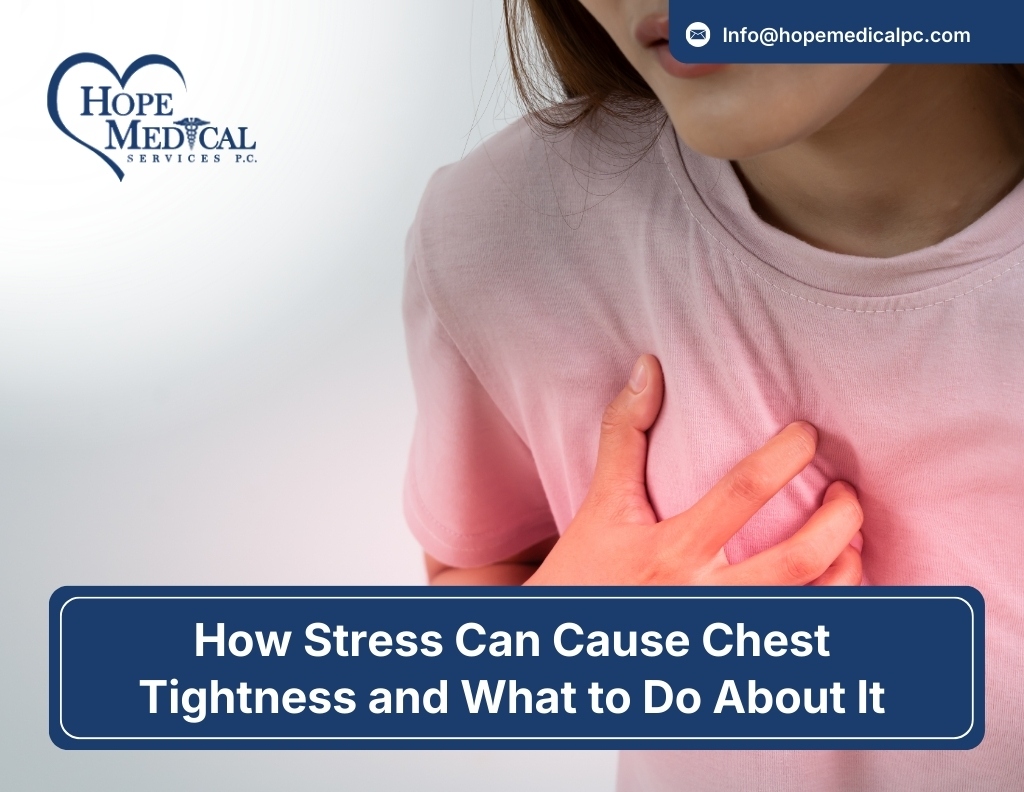
Stress and chest pain are closely connected. When a person experiences emotional pressure, work stress, financial worries, or panic, the body activates its fight-or-flight response. This reaction increases heart rate and tightens muscles — including chest muscles.
Prolonged stress can lead to recurring chest discomfort. Many individuals report tightness, pressure, or squeezing sensations during stressful situations. Although uncomfortable, this type of pain is often temporary and improves once stress levels decrease.
How Does Stress Lead to Chest Pain?
Stress affects the nervous system directly. When the brain detects danger or anxiety:
1. The sympathetic nervous system activates.
2. Blood flow shifts toward vital organs.
3. Muscles tense to prepare for action.
If stress becomes chronic, these reactions remain active for long periods. Constant muscle tension in the chest and upper body results in recurring pain and tightness.
What Are the Various Reasons for Chest Pain Due to Stress?
Chest pain from stress may occur because of several underlying factors:
- Muscle strain from continuous tension
- Anxiety attacks cause sharp or sudden pain
- Panic disorder leading to intense chest pressure
- Acid reflux (GERD) triggered by stress
- Poor posture due to long sitting hours
- Hyperventilation during panic episodes
Each of these conditions contributes to discomfort that feels similar to heart-related pain but is often stress-induced.
Symptoms of Stress-Related Chest Pain
Recognizing symptoms helps differentiate stress-related pain from serious conditions.
Common symptoms include:
- Tight or squeezing sensation in the chest
- Sharp or stabbing pain
- Rapid heartbeat
- Shortness of breath
- Sweating
- Dizziness
- Chest pressure
- Muscle tightness in sthe houlders and back
These symptoms often appear during or after emotional stress and improve with relaxation.
Why Do I Feel Anxiety in My Chest?
Many people describe anxiety as a heavy or tight feeling in the chest. This happens because emotional stress directly affects the body’s nervous system.
During anxiety:
- Breathing becomes shallow
- Heart rate increases
- Muscles contract
- The chest area becomes sensitive
The sensation is real and physical, even though the cause is psychological. Understanding this connection helps reduce fear and panic about the symptom.
How to Stop Anxiety in the Chest?
Managing anxiety effectively reduces chest discomfort.
1. Deep Breathing
Slow breathing activates the relaxation response.
Inhale for 4 seconds, hold for 4 seconds, and exhale slowly for 6 seconds.
2. Grounding Techniques
Focus on surroundings:
- Name 5 things you see
- 4 things you feel
- 3 sounds you hear
3. Muscle Relaxation
Tense chest muscles for 5 seconds, then release. Repeat several times.
4. Mindfulness & Meditation
Daily meditation calms the nervous system and reduces stress reactions.
Natural Remedies for Stress, Chest Pain, and Chest Tightness
- Natural approaches can significantly reduce symptoms.
- Warm compress on the chest to relax muscles
- Herbal teas like chamomile or peppermint
- Light stretching exercises
- Regular walking or yoga
- Staying hydrated
- Improving sleep quality
These methods reduce muscle tension and calm the mind naturally.
Chest Pain: Stress vs. Heart Attack
| Feature | Stress Chest Pain | Heart Attack Chest Pain |
| Cause | Anxiety & muscle tension | Blocked artery |
| Pain Type | Tight, sharp, or brief | Heavy pressure |
| Duration | Short or fluctuating | Persistent |
| Trigger | Emotional stress | Physical exertion |
| Physical exertion | Usually not | Usually not |
Diagnosis
If chest pain continues or feels unusual, a medical evaluation is necessary.
- Doctors assess:
- Medical history
- Stress levels
- Physical examination
- Risk factors
Diagnosis helps rule out heart conditions and identify stress-related causes.
- Immediate Tests
Doctors may perform:
- Electrocardiogram (ECG)
- Blood pressure measurement
- Oxygen level monitoring
- Physical heart and lung examination
These tests quickly detect serious cardiac issues.
- Follow-Up Tests
If needed, further testing may include:
- Blood tests to check heart enzymes
- Stress test
- Chest X-ray
- Echocardiogram
These provide deeper insight into heart and lung health.
Effective Treatment for Stress-Related Chest Pain
Treatment focuses on managing stress and reducing physical symptoms.
Therapy Options
- Cognitive Behavioral Therapy (CBT)
- Stress counseling
- Anxiety management programs
Medication (If Required)
- Anti-anxiety medication
- Muscle relaxants
- Acid reflux medication
Lifestyle Changes
- Regular exercise
- Balanced diet
- Adequate sleep
- Stress reduction practices
Combining these approaches provides long-term relief.
Final Thoughts
Chest pain caused by stress is common and often manageable. Although the symptoms can feel serious and frightening, they are frequently linked to muscle tension and anxiety rather than heart disease.
Recognizing symptoms, practicing relaxation techniques, and adopting healthy lifestyle habits play a key role in relief. However, never ignore severe or persistent chest pain; medical evaluation ensures safety and peace of mind.
FAQs
Q1. Can stress alone cause chest pain?
Ans: Yes, stress can cause chest pain due to muscle tension and increased heart rate. It is common during anxiety episodes.
Q2. How long does stress chest pain last?
Ans: It usually lasts a few minutes to hours and improves with relaxation and breathing exercises.
Q3. When should I go to the hospital?
Ans: Seek emergency care if pain is severe, persistent, or spreads to arms, jaw, or back.
Q4. Can anxiety chest pain happen daily?
Ans: Yes, if stress levels remain high, chest discomfort may occur frequently.
Q5. Is stress chest pain dangerous?
Ans: It is not usually dangerous, but a medical evaluation is necessary to rule out heart-related conditions.