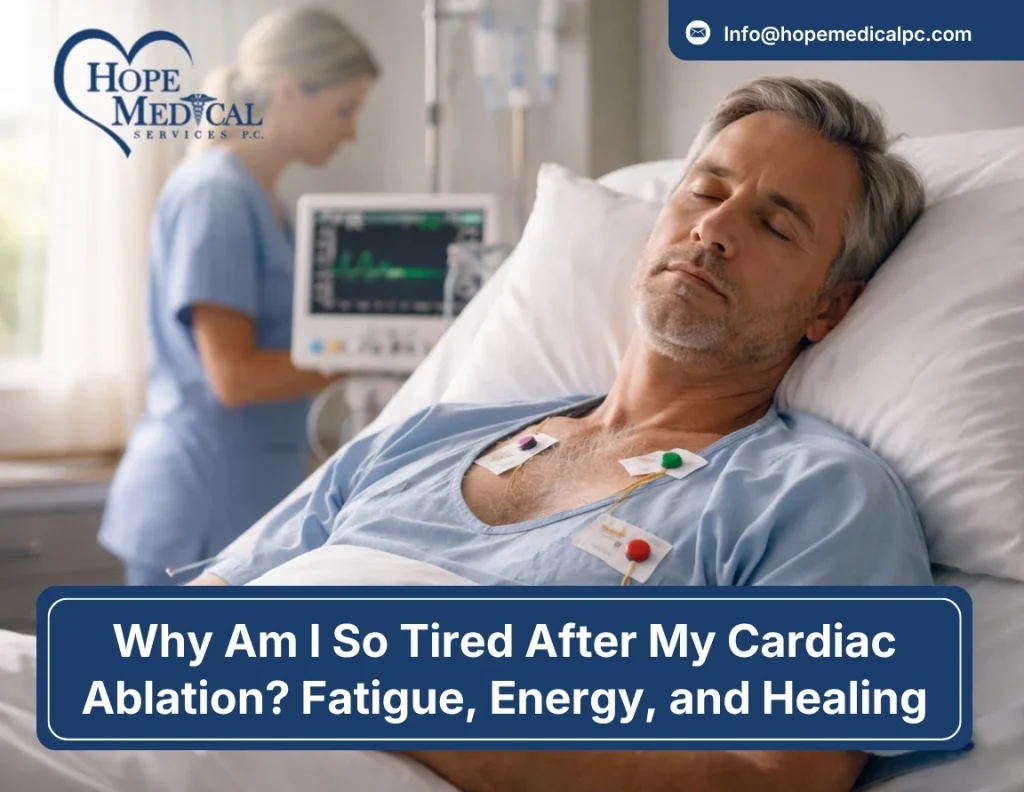
Feeling unusually tired after a cardiac ablation is completely normal. Your body has just gone through a delicate procedure and needs time to heal. Fatigue can result from the heart adjusting to a new rhythm, the effects of anesthesia, and your body’s natural recovery process. In this guide, we’ll walk you through why this happens, how long it typically lasts, and what you can do to safely regain your energy and feel like yourself again.
Understanding Cardiac Ablation and Its Effects on Your Body
Cardiac ablation is a specialized procedure used to treat irregular heartbeats (arrhythmias). It targets and destroys the faulty electrical pathways in the heart that trigger abnormal rhythms, and it’s typically recommended for patients who have not responded well to medications or other treatments.
Being aware of what happens during and after the procedure can significantly ease anxiety and support a smoother recovery, particularly when it comes to understanding why fatigue sets in.
What Happens During a Cardiac Ablation Procedure
During the procedure, thin, flexible tubes called catheters are inserted through a vein in the leg and carefully guided to the heart. These catheters deliver controlled energy to specific areas of heart tissue, producing small scars that interrupt the abnormal electrical signals causing the irregular rhythm.
The procedure is performed in a specialized electrophysiology lab by a cardiologist, typically taking several hours. Some mild discomfort or grogginess during recovery is entirely normal.
How Ablation Affects Your Heart Tissue and Energy Levels
The ablation process creates intentional lesions in the heart muscle. While these lesions block abnormal signals and restore normal rhythm, they also place physical stress on the heart tissue, triggering the body’s healing response.
Energy levels after ablation vary widely. Some patients feel drained for just a few days, while others experience fatigue for several weeks. The extent of the procedure, your overall health, and how your body handles recovery all play a role.
Monitoring your symptoms and keeping your care team informed is the smartest approach to a safe, effective recovery.
Why Am I So Tired After My Cardiac Ablation?
Post-ablation fatigue is driven by your body’s natural healing response combined with the effects of anesthesia and medications used during the procedure.
The Body’s Natural Healing Response
Immediately after cardiac ablation, your body enters active repair mode. The heart tissue that was treated needs time and energy to heal, and that draws on your body’s resources is a major reason why you feel exhausted.
- Heart tissue repair demands significant energy, leaving less available for daily activities.
- Inflammation triggered by the ablation adds to overall fatigue.
- Your body responds to cardiac ablation similarly to any physical injury; it needs rest to recove..r
Anesthesia and Medication Side Effects
The sedatives and medications administered during and after the procedure affect your central nervous system and energy regulation. As your body metabolizes these substances, you may feel drowsy, foggy, or sluggish.
Common short-term side effects include:
1. Drowsiness and excessive sleepiness
2. Nausea or upset stomach
3 . Dizziness or light-headedness
Emotional and Psychological Factors in Recovery
Recovery from cardiac ablation involves more than just physical healing. Stress, anxiety, and the emotional weight of undergoing a heart procedure can amplify fatigue significantly.
Strategies to support emotional well-being during recovery:
- Acknowledge that anxiety and stress are natural responses; they don’t mean something is wrong.
- Lean on family, friends, or a mental health professional for emotional support.
- Practice calming activities such as deep breathing, light meditation, or gentle music.
The First 48 Hours: What to Expect Right After Surgery
The immediate post-procedure period sets the tone for your entire recovery. Your body begins healing the moment the ablation is complete, but it needs the right conditions to do so effectively.
What to Expect Right After Surgery
Following the procedure, you’ll be moved to a recovery area where medical staff will monitor your vital signs closely. You may feel sore at the catheter insertion site, but pain medication can help manage this. Feeling groggy or disoriented immediately after is very common. This is a normal response to anesthesia and usually resolves within a few hours.
Some patients are kept overnight for observation. Your care team will provide specific instructions for wound care and medication management before discharge.
How Long Is Bed Rest After Ablation?
Bed rest requirements vary depending on your individual health and the specifics of your procedure. Your doctor will provide personalized guidance. General benchmarks include:
| Activity | Recommended Duration | Guidelines |
| Bed Rest | 4–6 Hours | Avoid all strenuous activity; strictly follow care team instructions |
| Resuming Light Activities | Gradually over 24–48 hours | Start with gentle movements; avoid heavy lifting or bending |
Recovery Time From Ablation Surgery: Complete Timeline
One of the most common questions patients ask is: When will I feel normal after cardiac ablation? While every individual is different, here is a general recovery timeline:
| Week | Typical Recovery Milestones |
| Weeks 1–2 | Rest and limited activity; gradual, incremental improvement in energy levels |
| Weeks 2–4 | Increased mobility; return to light activities and basic daily routines |
| Weeks 4–6 | Most patients can resume normal activities, including work and moderate exercise. |
Factors That Affect Your Recovery Speed
Several variables influence how quickly you bounce back from ablation surgery:
- Overall health and fitness level before the procedure
- The type and complexity of the ablation procedure performed
- Adherence to post-procedure care instructions
- Whether any complications arose during or after surgery
Managing Common Post-Ablation Symptoms
- Shortness of breath after cardiac ablation is a common symptom, especially in the first few days, as your heart and lungs adjust to changes in rhythm and the effects of anesthesia.
- Mild breathlessness usually improves with rest and gentle activity, but persistent or worsening shortness of breath may signal complications and should be reported to your doctor.
- Swelling in the legs, chest discomfort, or rapid heartbeat, along with shortness of breath, could indicate fluid buildup or other issues. Seek medical attention promptly if these occur.
- Occasional palpitations are normal during the first 4–8 weeks after ablation, as your heart re-establishes a stable electrical rhythm. These may feel like skipped beats, fluttering, or a brief, rapid heartbeat.
- Palpitations that are frequent, prolonged, or accompanied by dizziness, fainting, chest pain, or shortness of breath may indicate a problem and require urgent medical evaluation.
- Fatigue after arrhythmia episodes is common because your heart works harder to manage irregular rhythms, using up energy and leaving you temporarily drained.
- Prioritizing rest, staying hydrated, eating balanced meals, and following your doctor’s activity guidelines are essential to safely rebuild energy and support your recovery.
Sleep Challenges After Cardiac Ablation
Many patients report difficulty sleeping during recovery, whether from discomfort, anxiety, or medication effects. Poor sleep makes fatigue worse and can slow the overall recovery process.
Common Sleep Disturbances During Recovery
- Causes of sleep difficulty post-ablation include:
- Discomfort or pain at the catheter insertion site
- Anxiety or stress related to the procedure and recovery
- Changes in medication type or dosage
- Environmental factors like unfamiliar settings or noise
Do’s and Don’ts After Heart Ablation
| Category | Do’s | Don’ts |
| Exercise | Start with short, gentle walks and light stretching in the first few days.Gradually increase to brisk walking, light aerobics, or stationary cycling in weeks 1–2.Return to your usual exercise routine by weeks 4–6, as tolerated. | Avoid intense exercise or heavy lifting during the first 4–6 weeks unless cleared by your doctor. |
| Work & Social Life | Resume desk-based or light work within 3–7 days.- Attend social events gradually, choosing low-exertion environments. | Avoid physically demanding jobs immediately after the procedure.Avoid crowded or high-intensity social gatherings in the first week. |
| Driving & Travel | Rest for at least 24 hours before driving.Take regular breaks on trips and stay hydrated.Wait until cleared by your doctor for long-distance travel (usually 2 weeks). | Do not drive for at least 24 hours post-procedure.Avoid long trips before the recommended recovery period.Do not skip breaks or ignore hydration during travel. |
Can You Die From a Heart Ablation?
Cardiac ablation is a well-established, widely performed procedure with a strong safety record. Serious complications are rare. That said, as with any medical procedure, there are risks, which is why it’s performed by trained cardiologists in equipped facilities with full monitoring. Discuss all potential risks and benefits with your doctor before proceeding.
Serious complications from cardiac ablation are uncommon, but may include infection, bleeding, damage to surrounding structures, or, in very rare cases, life-threatening events. The risk profile varies based on the type of ablation, patient health, and facility expertise. Most patients undergo the procedure safely and without major incident.
Conclusion
Recovery from cardiac ablation is a process that demands patience, self-awareness, and support. Understanding why fatigue occurs, what to expect at each stage, and when to seek medical attention empowers you to move through recovery with greater confidence and less worry.
Every recovery journey is unique. For guidance and resources to support your heart health, Hope Medical Pc to Stay in close contact with your care team, listening to your body’s signals, and trusting the process. With time, most patients experience improved heart health, better energy, and a meaningful return to normal life.