Imagine carrying a ticking time bomb inside your body, one with no alarm, no warning light, and no obvious signs that anything is wrong. That is precisely what living with unmanaged high blood pressure feels like. It damages your arteries, strains your heart, and quietly sets the stage for life-threatening events, all while you feel perfectly fine.
This is exactly why hypertension is called the “silent killer.” It is one of the most common and most dangerous chronic conditions in the world, affecting nearly 1.3 billion people globally. Yet a staggering number of those people have no idea they have it. At Hope Medical PC, we believe that knowledge is the first step toward protection.
What Is Hypertension?
Blood pressure measures the force your blood exerts against the walls of your arteries as your heart pumps it through your body. It is recorded as two numbers:
| Blood Pressure Category | Systolic (mmHg) | Diastolic (mmHg) | Action Required |
| Normal | Less than 120 | Less than 80 | Maintain healthy habits |
| Elevated | 120 – 129 | Less than 80 | Lifestyle changes needed |
| High Blood Pressure Stage 1 | 130 – 139 | 80 – 89 | Medical consultation advised |
| High Blood Pressure Stage 2 | 140 or higher | 90 or higher | Immediate medical attention |
| Hypertensive Crisis | Higher than 180 | Higher than 120 | Emergency care required |
When blood pressure consistently reads at or above 130/80 mmHg, it is classified as hypertension. At this level, it begins exerting damaging pressure on your blood vessels and organs even though you cannot feel it happening.
Why Is Hypertension Called the “Silent Killer”?
The phrase “hypertension silent killer” is not an exaggeration; it is a clinical reality. Here is why this label is so accurate:
No Symptoms in the Early Stages
Most people with high blood pressure experience absolutely no symptoms: no headache, no dizziness, no chest pain, nothing. The body adapts to elevated pressure without triggering pain receptors, so you can have dangerously high blood pressure for years without knowing it.
Damage Accumulates Silently Over Time
Even though you feel fine, high blood pressure is working behind the scenes to damage your cardiovascular system. It:
- Stiffens and narrows arteries, reducing blood flow
- Forces the heart to work harder, causing it to enlarge and weaken
- Damages the delicate filtering vessels in the kidneys
- Weakens blood vessel walls, making them prone to rupture
It Is Often Discovered Only After Disaster Strikes
Many people discover they have hypertension only after experiencing a heart attack, a stroke, or kidney failure. By that point, years of silent damage have already occurred. This is why high blood pressure is dangerous, not because of what you feel, but because of what it quietly does.
Can High Blood Pressure Kill You?
The short and honest answer is: yes, high blood pressure can kill you — though not always directly. It operates as a force multiplier, dramatically increasing your risk of other fatal conditions.
Here is how hypertension can cause death:
| Condition Caused by Hypertension | How It Leads to Death | Risk Increase |
| Heart Attack | Blocked arteries cut off blood to the heart muscle | Up to 3x higher |
| Stroke | Ruptured or blocked brain arteries cause brain damage | 4x higher risk |
| Heart Failure | Overstrained heart loses pumping ability | Doubles the risk |
| Kidney Failure | Damaged renal vessels stop filtering waste | Significantly elevated |
| Aortic Aneurysm | Weakened aorta ruptures, often fatal within minutes | Major contributor |
| Vision Loss | Damaged retinal vessels cause blindness | Leading cause |
Each of these conditions can be fatal, and hypertension silently paves the road to all of them. Controlling your blood pressure is not just about a number; it is about preventing organ failure and premature death.
We provide specialized Congestive Heart Failure Treatment and Coronary Artery Stenting, two of the most critical interventions for patients whose hypertension has already begun damaging the heart and arteries.
What Happens If Hypertension Goes Untreated?
If hypertension goes untreated, the consequences grow more severe with every passing year. Here is a timeline of what uncontrolled high blood pressure does to your body:
- Within 1–5 Years: Arteries harden and lose elasticity (atherosclerosis accelerates)
- Within 5–10 Years: The heart enlarges due to the extra effort required to pump blood
- Within 5–10 Years: Kidneys begin losing their filtering efficiency
- After 10 Years: Risk of heart attack and stroke rises dramatically
- Long-Term: Cognitive decline and vascular dementia become increasingly likely
- Advanced Stage: End-stage organ failure (heart, kidney) becomes a real possibility
These symptoms of uncontrolled hypertension typically only appear when blood pressure reaches crisis levels (above 180/120 mmHg). Most people experience none of these until a major event occurs. This reinforces why regular monitoring is not optional; it is life-saving.
How to Detect Hypertension: Monitoring Saves Lives
Because hypertension produces no reliable symptoms, the only way to detect it is through regular blood pressure measurement. Here is everything you need to know about how to detect hypertension:
Option 1: Clinical Blood Pressure Check
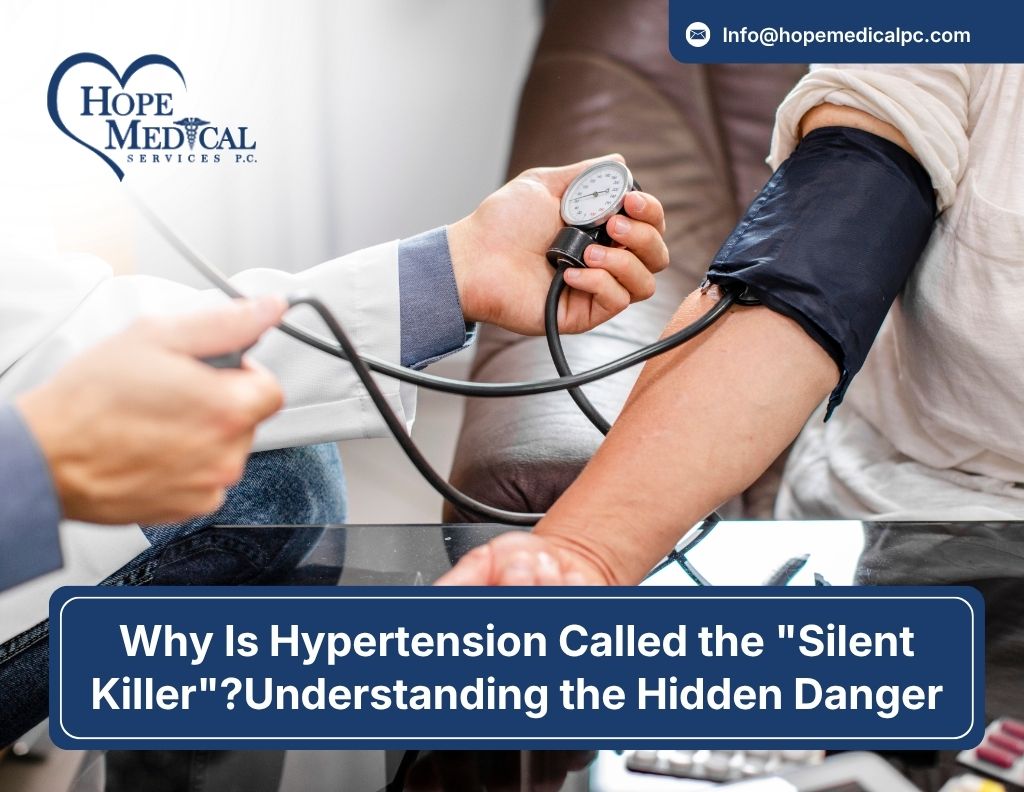
- Performed by a doctor, nurse, or pharmacist using a sphygmomanometer
- Should be done at every routine medical visit
- Results are most accurate when you have been resting for 5 minutes, have not smoked or had caffeine in the past 30 minutes, and are seated with your arm supported at heart level
Option 2: Home Blood Pressure Monitoring
- Use a validated automatic upper-arm cuff monitor
- Measure at the same time each day, ideally morning and evening
- Take two to three readings, 1 minute apart, and record the average
- Share your log with your doctor at every appointment
Option 3: 24-Hour Ambulatory Monitoring
- A small device worn around the clock that takes readings every 20–30 minutes
- Provides a comprehensive picture of blood pressure patterns throughout the day
- Especially useful for detecting “white coat hypertension” (readings elevated only in clinical settings)
Beyond blood pressure readings, your doctor may also recommend an Echocardiogram to assess how hypertension has affected your heart’s structure and function, or a Holter Monitor Test to detect any hypertension-related heart rhythm disturbances. For patients needing continuous oversight, our Remote Patient Monitoring program allows daily vital tracking from the comfort of your home.
| Age / Risk Group | Recommended Check Frequency | Setting |
| Adults under 40, no risk factors | At least once every 2 years | Clinic or pharmacy |
| Adults 40 and over | At least once per year | Clinic or home monitor |
| Elevated blood pressure (120–129) | Every 3–6 months | Home + clinic |
| Hypertension Stage 1 or 2 | Monthly or as directed | Clinic + daily home |
| Diabetes, kidney disease, or heart disease | More frequently as advised | Medical supervision |
Can Young People Get Hypertension?
A very common misconception is that high blood pressure is exclusively a disease of old age. The truth is strikingly different: can young people get hypertension? Absolutely yes, and rates are rising alarmingly.
According to the American Heart Association, nearly 1 in 4 adults between the ages of 20 and 44 now has hypertension. The following factors are driving this trend among younger populations:
- Obesity and excess weight: carrying extra weight increases vascular resistance
- Sedentary lifestyles: prolonged inactivity and screen time weaken cardiovascular health
- Poor dietary habits: diets high in sodium, sugar, and processed foods elevate blood pressure
- Chronic stress: elevated cortisol levels constrict blood vessels over time
- Excessive alcohol and caffeine consumption
- Sleep disorders such as obstructive sleep apnea
- Smoking and vaping both cause immediate and long-term blood vessel damage
- Genetic predisposition: a family history of hypertension significantly raises your own risk
- Underlying conditions such as kidney disease, thyroid disorders, or hormonal imbalances
Is Hypertension a Lifelong Disease?
One of the most common questions patients ask is: is hypertension a lifelong disease? The honest answer is nuanced and actually quite encouraging.
For most people, especially those with primary (essential) hypertension, the most common type with no single identifiable cause, it is a long-term condition that requires ongoing management. However, “long-term” does not mean “hopeless.”
When Hypertension Can Be Reversed or Significantly Reduced
- Secondary hypertension (caused by an underlying condition like a kidney tumor or thyroid disorder) may resolve completely once the root cause is treated
- Hypertension in early stages, particularly in young adults, can sometimes be resolved through aggressive lifestyle changes alone
- Weight loss of even 5–10% of body weight can produce meaningful reductions in blood pressure
When Hypertension Requires Long-Term Management
- Primary hypertension in adults over 50, especially with multiple risk factors, typically requires lifelong monitoring and often medication
- Even with medication, lifestyle changes remain essential; they reduce the dose of medication required and lower overall cardiovascular risk
- Regular monitoring ensures that treatment remains effective as your health status changes over time
The key takeaway: hypertension is manageable. With the right combination of medication, lifestyle changes, and consistent monitoring, most people with high blood pressure can live long, healthy, and productive lives.
Why High Blood Pressure Is Dangerous: The Organ-by-Organ Breakdown
To truly understand why high blood pressure is dangerous, it helps to see the full picture of how it affects each major organ system over time:
| Organ / System | How Hypertension Damages It | Possible Outcome |
| Heart | Forces the heart to pump against resistance, causing thickening and eventual failure | Heart attack, heart failure, arrhythmia |
| Brain | Damages cerebral arteries, leading to rupture or blockage | Stroke, vascular dementia, cognitive decline |
| Kidneys | Narrows renal arteries and damages glomeruli (filtering units) | Chronic kidney disease, kidney failure |
| Eyes | Damages retinal blood vessels (hypertensive retinopathy) | Vision loss, blindness |
| Arteries | Causes stiffening, plaque buildup, and aneurysm formation | Peripheral artery disease, aortic aneurysm |
| Sexual Health | Reduces blood flow, affecting erectile function and libido | Erectile dysfunction, reduced sexual function |
| Metabolism | Linked to insulin resistance and worsening of diabetes | Metabolic syndrome, Type 2 diabetes |
Conclusion
Hypertension earns its title as the silent killer not through drama, but through quiet, relentless destruction. It works in the background, unseen and unfelt, until the damage is done.
That is what makes it so profoundly dangerous and why awareness, early detection, and consistent management are so critically important. The most powerful thing you can do right now is simple: know your numbers. Schedule a blood pressure check if you have not had one recently. Make the lifestyle changes that support a healthy heart.