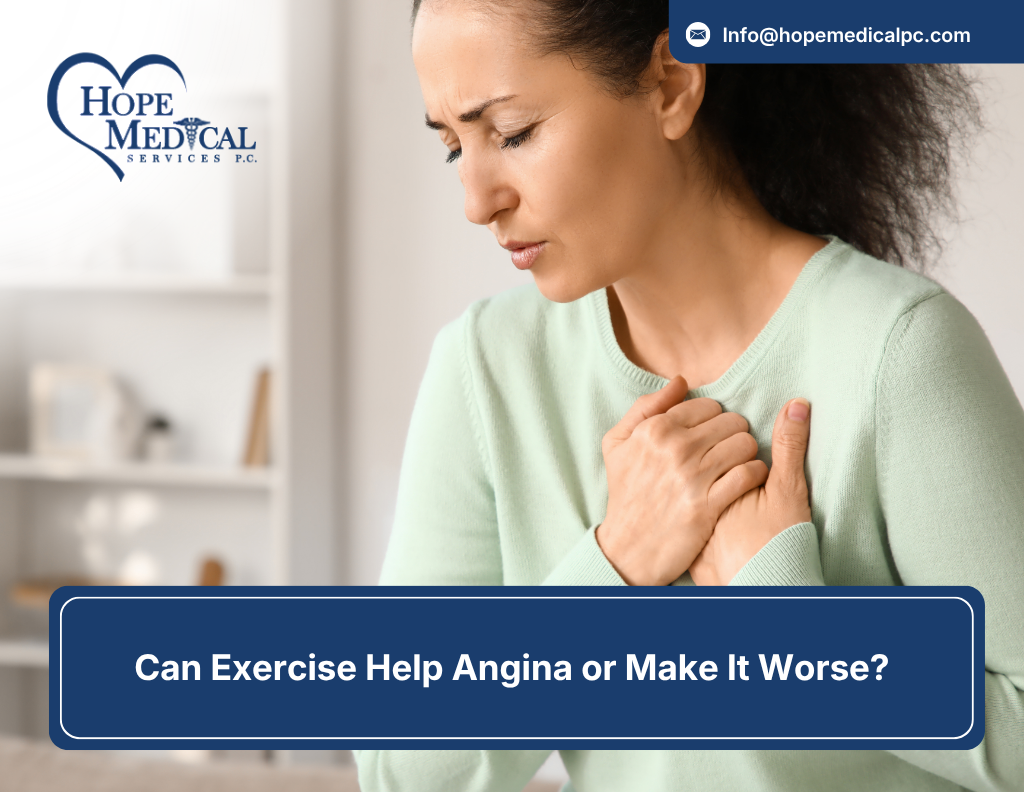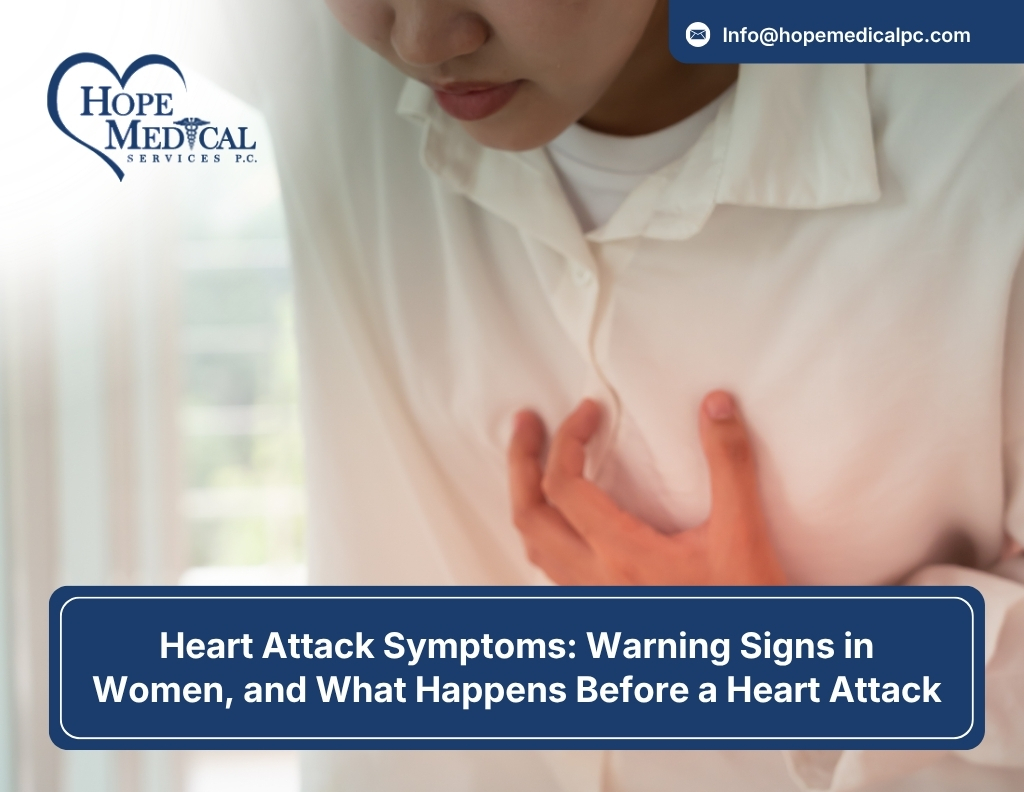
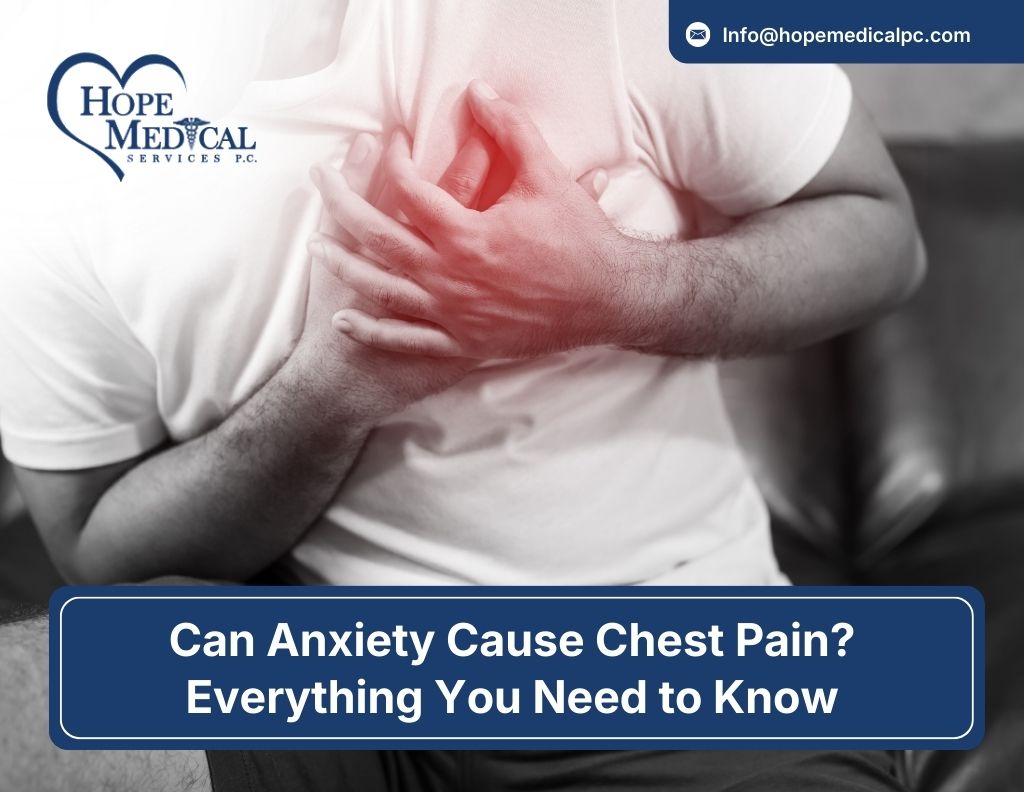
You’re sitting at your desk, scrolling through your phone, or lying in bed trying to sleep, and suddenly, there it is. A sharp twinge, a dull pressure, or that unsettling heaviness right in the center of your chest. Your first instinct might be to panic about your heart. But here’s something your doctor may not have explained clearly: anxiety chest pain is real, incredibly common, and far more understood by modern medicine than most people realize.
The question “Can anxiety cause chest pain?” gets searched millions of times every year, and for good reason. Chest discomfort triggers immediate fear, which in turn amplifies anxiety, which worsens the physical symptoms. It becomes a loop that is genuinely difficult to break without understanding what’s happening beneath the surface.
What Actually Happens in Your Body During an Anxiety Episode
To understand why anxiety and chest tightness go hand in hand, you need to understand your autonomic nervous system. When the brain perceives a threat, whether real or imagined, it triggers the sympathetic nervous system, initiating the
well-known fight-or-flight response. This cascade of physiological events is not metaphorical. It is a measurable, documentable chain reaction:
1. Adrenaline and cortisol flood the bloodstream, raising heart rate and blood pressure almost instantly.
2. Breathing becomes faster and shallower, reducing carbon dioxide levels in the blood, a state known as hyperventilation, even when subtle.
3. The intercostal muscles (the muscles between your ribs) and the chest wall tighten, sometimes dramatically.
4. Blood is redirected away from non-essential functions, affecting digestion and peripheral circulation.
5. The esophagus can spasm under stress, creating a pain that is often mistaken for cardiac events.
All of these mechanisms can produce genuine chest pain, not imagined, not exaggerated, but physically real. The nervous system does not distinguish between a tiger chasing you and a stressful email. The response is the same.
When Chest Discomfort Becomes a Daily Reality
Many people are concerned not just about isolated episodes but also wonder: Can anxiety cause chest pain every day? yes particularly in individuals with generalized anxiety disorder (GAD), health anxiety, or panic disorder. Chronic, low-grade activation of the stress response keeps the body in a state of physiological vigilance that can sustain muscular tension, altered breathing patterns, and heightened pain sensitivity almost continuously.
In these cases, the chest pain is not the result of acute panic attacks; it is the cumulative toll of a nervous system that rarely gets to fully reset. People often describe waking up already feeling it, with the sensation present before the day’s stressors have even begun. This is a hallmark of chronic anxiety rather than situational stress, and it warrants a different approach than simply managing individual triggers.
How to Relieve Chest Tightness from Anxiety: Evidence-Based Approaches
Understanding how to relieve chest tightness from anxiety goes beyond generic advice like “just relax” or “breathe deeply.” Here are approaches grounded in physiology and clinical practice:
Diaphragmatic Breathing (Belly Breathing)
Shallow chest breathing during anxiety perpetuates the physiological stress response. Diaphragmatic breathing activates the parasympathetic nervous system, your body’s built-in brake pedal. Place one hand on your belly and one on your chest. Inhale slowly for 4 counts, ensuring your belly rises rather than your chest. Hold briefly, then exhale for 6 counts. The extended exhale is what actively triggers vagal nerve stimulation and lowers heart rate. Practicing this for even 5 minutes daily reconditions your respiratory habits over time.
Progressive Muscle Relaxation (PMR)
Because much of the chest pain from anxiety is muscular in origin, PMR offers direct, targeted relief. By intentionally tensing and releasing muscle groups sequentially, starting at the feet and working upward to the chest and shoulders, you bring conscious awareness to areas of chronic holding. Studies show PMR significantly reduces somatic anxiety symptoms, including chest tightness, when practiced regularly. The key is consistency: three to four sessions per week is more therapeutic than occasional crisis use.
Cognitive Behavioral Techniques for the Pain-Fear Cycle
One of the most powerful tools for interrupting the anxiety-chest pain loop is cognitive defusion, the practice of observing your thoughts about the pain rather than merging with them. Instead of “I’m having chest pain, something is wrong with my heart,” the reframe becomes “I notice I’m experiencing chest tightness, which is a known symptom of my anxiety.” This linguistic shift is not denial; it is neurological recalibration. When the brain stops perceiving a sensation as a threat, it stops amplifying the sympathetic response that sustains it.
How to Stop Anxiety Chest Pain During an Active Episode
Knowing how to stop anxiety chest pain in the moment when it’s already happening requires a slightly different toolkit than long-term management. These are practical, immediate interventions:
- Ground yourself physically: Place your feet flat on the floor, press your palms against a cool surface, and name five things you can see. This activates the prefrontal cortex, reducing amygdala-driven fear signals.
- Use the 4-7-8 breathing technique: Inhale for 4 counts, hold for 7, exhale for 8. The prolonged hold builds CO2 tolerance, which counters the hyperventilation physiology underlying many episodes of chest tightness.
- Apply warmth to the chest: A warm compress or heating pad placed on the chest can directly relax the intercostal and pectoral muscles, addressing the muscular component of the tightness, while the breathing techniques address the neurological component.
- Move your body: Moderate, gentle movement, even a brisk 10-minute walk, metabolizes the cortisol and adrenaline that sustain chest tension during an anxiety episode. Exercise is one of the most underutilized acute anxiety interventions.
- Vocalize (safely): Humming, singing softly, or even sighing deeply stimulates the vagus nerve through the throat, triggering the parasympathetic nervous system in a way that breathing alone sometimes cannot.
Chest Pain vs Heart Attack
| Factor | Anxiety Chest Pain | Heart Attack |
| Main Cause | Triggered by stress, panic, or heightened anxiety response | Caused by reduced or blocked blood flow to the heart |
| Pain Description | Tightness, pressure, sharp or stabbing sensations | Heavy, crushing, or squeezing pain |
| Pain Location | Usually, the center of the chest may feel localized | Center or left side; often spreads |
| Pain Spread | Rarely spreads to the arms or jaw | Commonly spreads to the left arm, jaw, back, or shoulders |
| Duration | Often improves within minutes or after calming techniques | Persists or worsens over time without medical treatment |
| Associated Symptoms | Rapid breathing, racing thoughts, tingling, sweating from anxiety | Shortness of breath, nausea, cold sweats, dizziness |
| Trigger | Stressful situation or panic episode | Can occur at rest or during physical activity |
| Response to Relaxation | Symptoms often reduce with breathing and grounding techniques | Symptoms do not improve with relaxation methods |
| Medical Attention | Evaluation recommended if uncertain | Immediate emergency care is required if suspected |
When You Must Rule Out Something Else First
This section is not about fear-mongering; it is about being responsible. Before attributing chest pain to anxiety, it is clinically important to rule out cardiac, pulmonary, and gastrointestinal causes, particularly if you are experiencing the following warning signs:
1. Pain that radiates to the left arm, jaw, or upper back.
2. Chest pain accompanied by significant shortness of breath, cold sweats, or nausea.
3. Pain that is severe, worsening, or persistent beyond 20 minutes without a clear anxiety context.
4. You are over 40, have risk factors for heart disease, or the pain is entirely new in character.
5. There is a sudden sense of impending doom disconnected from any apparent anxiety trigger.
Getting a clean cardiac workup does more than protect your health; it also removes the ambiguity that feeds health anxiety. Many people find that after an ECG, blood work, and a clinical assessment confirm a healthy heart, their anxiety-related chest tightness measurably decreases because the brain can no longer justify the threat response. Medical reassurance, used once thoughtfully rather than repeatedly as a compulsion, is genuinely therapeutic
Building a Long-Term Foundation for Anxiety and Physical Symptoms
- Focus on managing anxiety chest pain as a long-term pattern rather than reacting to individual episodes
- Understand that the nervous system adapts through consistent habits and repeated regulation
- Support recovery through proper sleep hygiene to reduce stress hormone buildup
- Engage in regular physical movement to release muscle tension and balance the stress response
- Practice mindfulness techniques to calm the mind and reduce physical reactivity
- Limit stimulant intake, such as excessive caffeine or other triggers that intensify chest tightness
- Consider professional therapeutic support to build structured coping strategies
- Work with a therapist trained in somatic therapy or CBT with a body-focused approach
- Address both thought patterns and stored physical tension for deeper healing
- Recognize that persistent chest tightness often improves with consistent somatic practice
- Commit to steady, long-term habits that recalibrate the nervous system and reduce symptom intensity over time
Conclusion
Chest pain is one of the most alarming sensations the body can produce, yet anxiety chest pain is a well-documented and very real physical response to an overactivated nervous system. The discomfort can feel sharp, tight, heavy, or persistent, and in periods of chronic stress, it may even occur daily as ongoing muscle tension and altered breathing patterns strain the chest wall. Understanding what chest pain from anxiety feels like and recognizing the role of stress hormones, hyperventilation, and muscular tightening helps break the fear–pain cycle that often intensifies symptoms.