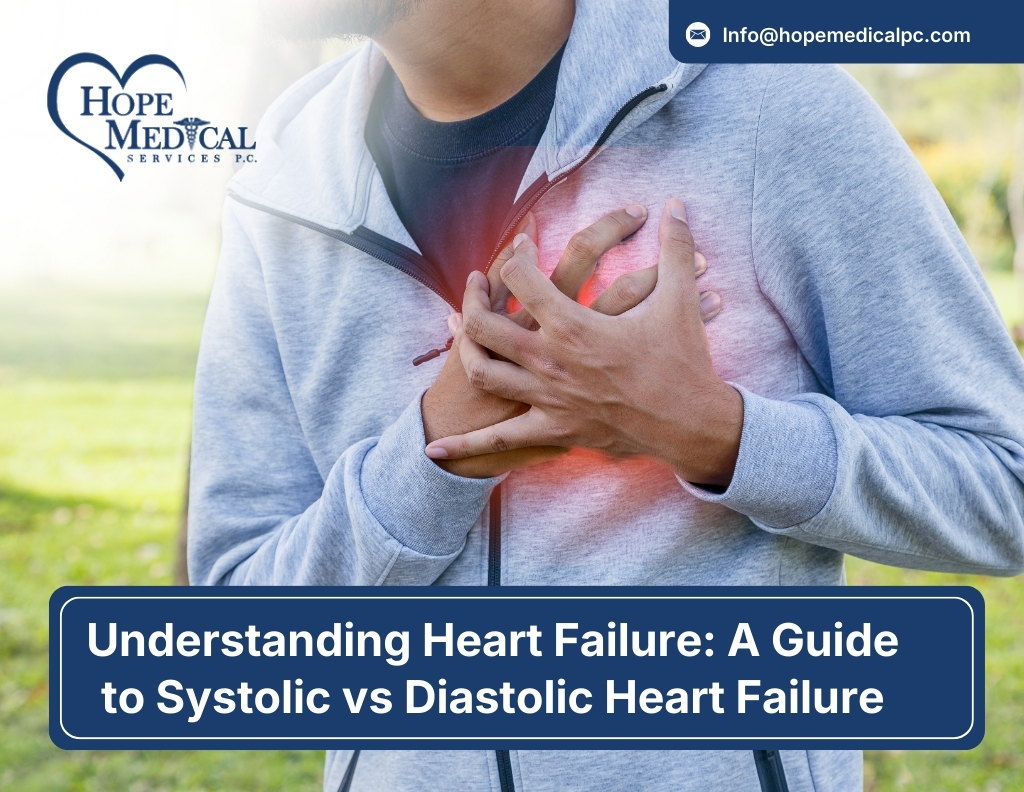
Heart failure is a serious medical condition that affects millions of people worldwide. It occurs when the heart is unable to pump blood effectively, leading to various health complications. There are two main types of heart failure: systolic and diastolic heart failure.
In this blog, we will explore the differences between systolic and diastolic heart failure, their symptoms, causes, treatments, and how to manage them effectively.
What is Systolic Heart Failure?
Systolic heart failure occurs when the heart muscle becomes weak and cannot contract properly, leading to a reduced ability to pump blood to the rest of the body. This condition is often caused by coronary artery disease, high blood pressure, or a previous heart attack.
When the heart’s pumping capacity is compromised, the body doesn’t receive enough oxygen-rich blood, which can cause fatigue, swelling, and shortness of breath. Systolic heart failure is sometimes referred to as heart failure with reduced ejection fraction (HFrEF) because the heart’s ability to pump blood is reduced.
Diastolic vs Systolic Heart Failure: What’s the Difference?
One of the most common questions asked by those diagnosed with heart failure is: “What’s the difference between systolic and diastolic heart failure?”
Both types of heart failure involve the heart’s inability to function properly, but they affect different phases of the heart’s pumping action:
- Systolic heart failure occurs when the heart’s left ventricle can no longer contract forcefully enough to pump out enough blood.
- Diastolic heart failure, on the other hand, happens when the heart muscle becomes stiff and less able to relax properly between beats. This leads to poor filling of the heart with blood, which can also result in reduced blood flow to the body.
Although these two types of heart failure are different, they can often occur together in patients, complicating treatment and management.
What Causes Systolic Heart Failure?
The primary cause of systolic heart failure is damage to the heart muscle, usually due to:
- Coronary artery disease
- High blood pressure
- Heart attack
- Cardiomyopathy (disease of the heart muscle)
Other conditions like diabetes and obesity can also contribute to the development of systolic heart failure.
Symptoms of Systolic Heart Failure
Symptoms of systolic heart failure are often progressive and can include:
- Fatigue or extreme tiredness
- Shortness of breath, especially during physical activity or when lying down
- Swelling in the legs, ankles, and feet
- Rapid or irregular heartbeat
- Fluid retention, causing weight gain
If you notice any of these symptoms, it is important to seek medical attention immediately for proper diagnosis and treatment.
Diastolic Heart Failure Symptoms
While diastolic heart failure may be harder to diagnose than systolic heart failure, its symptoms often overlap. Common symptoms include:
- Shortness of breath
- Fatigue
- Swelling in the legs and ankles
- Difficulty exercising or performing daily activities
Because diastolic heart failure is primarily a filling issue rather than a pumping issue, it can be harder for doctors to detect without detailed imaging and testing.
Treatment for Systolic Heart Failure
When it comes to treating systolic heart failure, the goal is to improve the heart’s ability to pump blood and reduce symptoms. Treatments include:
- Medications: ACE inhibitors, beta-blockers, diuretics, and other heart failure medications
- Lifestyle changes: Reducing salt intake, regular exercise, quitting smoking, and controlling blood pressure
- Implantable devices: In some cases, a pacemaker or implantable cardioverter defibrillator (ICD) may be used to help regulate the heartbeat.
Treatment for Diastolic Heart Failure
Although there is no cure for diastolic heart failure, treatment focuses on managing symptoms and improving quality of life. Key treatments include:
- Medications to help relax the heart muscle and improve its ability to fill with blood
- Lifestyle modifications, including weight management, stress reduction, and blood pressure control
- Managing underlying conditions like diabetes, hypertension, and obesity
How to Manage Systolic and Diastolic Heart Failure
Whether you are dealing with systolic heart failure, diastolic heart failure, or both, managing the condition is crucial to preventing further complications. Here are some tips:
- Monitor your symptoms and keep track of any changes, such as shortness of breath, fatigue, or swelling.
- Maintain a healthy diet, focusing on heart-healthy foods like fruits, vegetables, and lean proteins.
- Exercise regularly, but consult your doctor about appropriate activities that won’t overstrain your heart.
- Stay on top of your medications and work closely with your healthcare provider to adjust your treatment plan as needed.
Conclusion
Both systolic heart failure and diastolic heart failure can be life-threatening if left untreated, but with the right management plan, people living with heart failure can lead fulfilling lives. Understanding the differences between these conditions and knowing how to treat and manage them can help you or a loved one stay healthier for longer.
If you or someone you know is experiencing symptoms of heart failure, don’t wait consult a healthcare provider right away for a proper diagnosis and treatment plan.