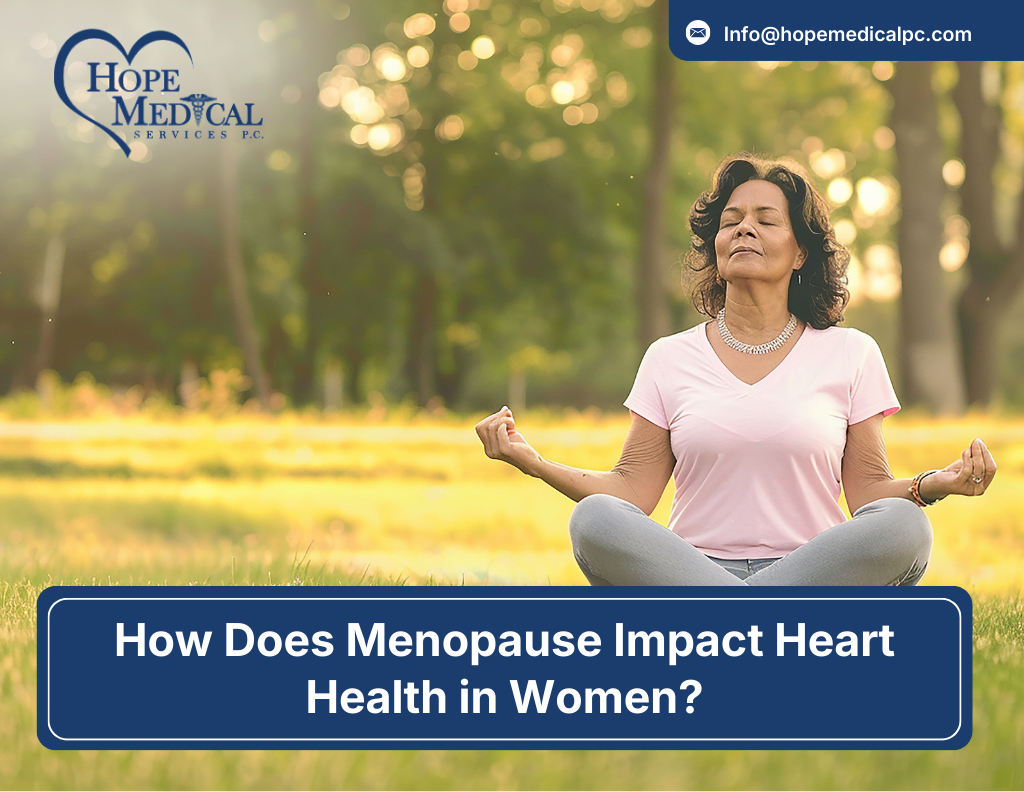
Menopause marks a significant transition in a woman’s life, typically occurring between the ages of 45 and 55. During this phase, the body experiences a natural decline in estrogen and other hormones. While menopause itself does not directly cause heart disease, the hormonal shifts can accelerate changes that raise cardiovascular risks. Understanding this connection empowers women to take proactive steps for long-term heart health.
Heart disease remains the leading cause of death for women in the United States. More women die from cardiovascular disease than from all forms of cancer combined. Awareness of menopause’s role in heart risks is crucial, as many women underestimate this threat.
Why Does Heart Risk Increase Around Menopause?
Before menopause, women generally have lower heart disease rates than men of similar age. Estrogen plays a protective role by helping maintain flexible blood vessels, supporting healthy cholesterol levels, and reducing inflammation in arteries.
As menopause approaches (during perimenopause) and after it occurs, estrogen levels drop sharply. This decline contributes to several adverse changes:
- Blood vessels become stiffer and more prone to plaque buildup.
- Cholesterol profiles worsen, with increases in “bad” LDL cholesterol and triglycerides.
- Blood pressure often rises.
- Body fat distribution shifts toward the abdomen (visceral fat), heightening metabolic risks.
These shifts accelerate during the menopause transition, making midlife a vulnerable period for cardiovascular health. Studies, including those from the American Heart Association (AHA), highlight that heart disease risk catches up to or even surpasses that of men in the postmenopausal years.
Key Statistics on Menopause and Heart Disease
- Heart disease accounts for roughly 1 in 3 female deaths in the U.S., compared to 1 in 39 from breast cancer.
- During the menopause transition, women experience pronounced adverse lipoprotein changes, with perimenopausal women showing the most significant increases in harmful LDL particles.
- Women with early menopause face up to 40% higher lifetime risk of coronary heart disease.
- Vasomotor symptoms (hot flashes, night sweats) correlate with worse subclinical atherosclerosis and future cardiovascular events.
- Only about 1 in 5 menopausal women achieve ideal heart health scores based on factors like blood pressure, cholesterol, sleep, and lifestyle.
These trends underscore menopause as a pivotal phase for cardiovascular vulnerability.
Common Symptoms and Their Link to Heart Health
Common menopausal experiences like frequent hot flashes, poor sleep, mood changes, and weight gain around the midsection are more than inconveniences—they signal potential heart concerns.
- Severe or frequent vasomotor symptoms are associated with higher blood pressure, endothelial dysfunction, and increased CVD odds.
- Sleep disturbances and depression during this transition are linked to elevated metabolic risks.
- Abdominal fat gain promotes insulin resistance and metabolic syndrome, accelerating heart disease progression.
Managing these symptoms early can support better long-term heart outcomes.
The Role of Hormone Therapy: What the Evidence Shows
Menopausal hormone therapy (HT), which replaces declining estrogen (often with progesterone), has been debated for heart protection.
Current guidelines from the AHA and others do not recommend HT solely for preventing heart disease. Large trials showed no overall cardiovascular benefit and potential risks in some groups, particularly when started years after menopause.
However, for healthy women under 60 or within 10 years of menopause onset, HT may offer a low-risk option for managing severe symptoms. It could support vascular health in this “window of opportunity.” Always discuss personalized risks and benefits with a healthcare provider, considering factors like family history, blood pressure, and breast cancer risk.
Proven Ways to Protect Your Heart During and After Menopause
The menopause transition offers a critical window for prevention. Focusing on modifiable factors can significantly lower risks.
Here are evidence-based strategies recommended by the AHA and other experts:
- Maintain a healthy weight — Aim for a BMI under 25 and reduce abdominal fat through balanced eating and activity.
- Exercise regularly — Target at least 150 minutes of moderate aerobic activity (like brisk walking) or 75 minutes of vigorous activity per week, plus strength training twice weekly.
- Eat heart-healthy foods — Emphasize fruits, vegetables, whole grains, lean proteins, fish (especially oily types for omega-3s), nuts, and seeds. Limit saturated fats, added sugars, and sodium.
- Control key risk factors — Monitor and manage blood pressure (<120/80 mm Hg ideal), cholesterol (LDL under control), and blood sugar. Quit smoking entirely.
- Prioritize sleep and stress management — aim for 7-9 hours of sleep nightly; practice relaxation techniques to combat insomnia or manage mood changes.
- Get regular check-ups — Screen for blood pressure, lipids, glucose, and overall heart risk. Discuss menopause-specific concerns with your doctor.
Lifestyle interventions during perimenopause have shown promise in preventing weight gain, improving lipids, and reducing blood pressure.
When to Seek Medical Advice
Seek prompt medical advice if experiencing:
- Chest discomfort, shortness of breath, palpitations, or other new cardiac symptoms.
- Severe, disruptive hot flashes, insomnia, or mood issues.
- Rising blood pressure, cholesterol changes, unexplained weight gain, or other risk factor shifts.
Early evaluation during midlife can prevent progression.
Final Thoughts:
Menopause impacts heart health in women by accelerating key risk factors during a vulnerable transition period. With awareness and proactive steps, women can significantly lower their cardiovascular odds and enjoy healthier years ahead.
This content is for educational purposes only and is not a substitute for professional medical advice. At Hope Medical PC, our team provides personalized guidance for women’s health concerns, including menopause and heart wellness. Contact us to discuss your unique needs and create a tailored plan.