
Hearing that you need an echocardiogram can naturally cause anxiety. Many people immediately wonder whether something is seriously wrong with their heart. The truth is, an echocardiogram is one of the most common and safest heart tests used today, and being referred for one does not automatically mean you have a serious heart condition.
This article explains what an echocardiogram is, why doctors order it, what it can detect, and what happens if results are abnormal, so you can feel informed and reassured.
What Is an Echocardiogram?
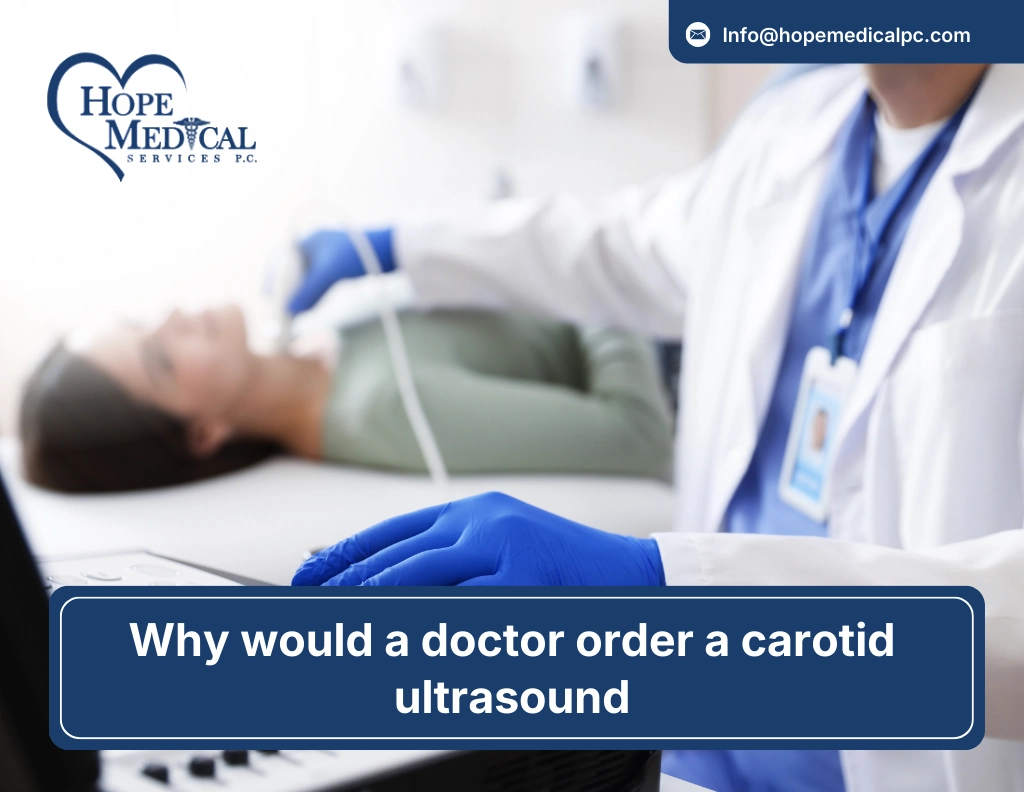
An echocardiogram is a non-invasive ultrasound test that creates real-time images of the heart. Using sound waves (not radiation), it allows doctors to see how your heart is structured and how well it is functioning.
During the test, a small handheld device called a transducer is placed on the chest. It sends sound waves into the heart and captures echoes that form moving images on a screen.
Echocardiograms are widely used in the United States because they provide valuable information without exposing patients to pain, radiation, or surgical risk.
Is an Echocardiogram a Serious Test?
No, an echocardiogram itself is not a serious or dangerous test.
It is considered very safe, routine, and low-risk.
However, doctors often order echocardiograms to rule out or evaluate potentially serious heart conditions. This is where confusion arises. The seriousness depends on why the test is ordered, not the test itself.
In many cases, an echocardiogram is ordered:
- As a precaution
- To investigate mild symptoms
- To establish a baseline for heart health
- To monitor an existing condition
Being proactive does not mean something is wrong it often means your doctor is being thorough.
Why Would a Doctor Order an Echocardiogram?
A doctor may recommend an echocardiogram if you have symptoms, risk factors, or test results that suggest further evaluation is needed.
Common reasons include:
- Shortness of breath
- Chest discomfort
- Heart murmurs
- Irregular heartbeat
- Swelling in the legs or feet
- High blood pressure
- Abnormal ECG results
- Family history of heart disease
Sometimes, people ask, “Why have I been referred for an echocardiogram if I feel fine?”
The answer is that heart conditions can exist without obvious symptoms, especially in early stages.
How Long Does an Echocardiogram Take?
One of the most common questions is: How long does an echocardiogram take?
For most people:
- The test takes 30 to 60 minutes
- Preparation is minimal
- You can usually resume normal activities immediately afterward
If a stress echocardiogram or transesophageal echocardiogram is ordered, the appointment may be longer, but it is still typically completed within a single visit.
What 5 Abnormalities Can Be Found on an Echocardiogram?
An echocardiogram can detect a wide range of heart issues. Five common abnormalities include:
- Weak heart muscle (reduced pumping ability)
- Heart valve problems (leaking or narrowing valves)
- Enlarged heart chambers
- Fluid around the heart (pericardial effusion)
- Congenital heart defects (present from birth)
These findings vary in severity. Some are mild and require monitoring, while others may need treatment or further testing.
Can an Echocardiogram Tell If You Have Heart Failure?
Yes. An echocardiogram is one of the most important tools for diagnosing heart failure.
It helps doctors measure:
- How efficiently the heart pumps blood
- Whether the heart muscle is stiff or weak
- How well the heart valves are functioning
Heart failure does not mean the heart has stopped it means the heart is not pumping as effectively as it should. Early detection allows for better management and outcomes.
What Is a Good Number for an Echocardiogram?
One key measurement is ejection fraction (EF).
| Measurement | Normal Range | What It May Indicate |
| Ejection Fraction | 55–70% | Healthy pumping |
| Below Normal EF | <55% | Weakened heart muscle |
| Very Low EF | <40% | Possible heart failure |
What Happens If You Have a Bad Echocardiogram?
Hearing that an echocardiogram is “abnormal” can be frightening, but abnormal does not always mean dangerous.
If results are concerning:
- Your doctor may order additional tests
- Treatment plans may be adjusted
- Lifestyle changes may be recommended
- Medications or monitoring may be introduced
In many cases, abnormalities are manageable and treatable, especially when caught early.
What Is the Next Step If an Echocardiogram Is Abnormal?
If an echocardiogram shows an issue, the next steps depend on the findings and your symptoms.
Possible next steps include:
- Further imaging or stress testing
- Blood tests
- Medication adjustments
- Referral to a cardiologist
- Ongoing monitoring over time
An abnormal test result is often the starting point for clarity, not a final diagnosis.
Early Warning Signs of Heart Disease You Should Know
Understanding symptoms helps reduce fear and encourages timely care.
Three early warning signs of heart disease:
- Shortness of breath during normal activities
- Fatigue that feels unusual or persistent
- Swelling in the legs or ankles
Five heart disease symptoms you should never ignore:
- Chest pain or pressure
- Sudden shortness of breath
- Rapid or irregular heartbeat
- Dizziness or fainting
- Unexplained swelling or weight gain
If these symptoms occur, further evaluation, such as an echocardiogram, may be recommended.
Myths vs Facts About Echocardiograms
| Myth | Fact |
| An echocardiogram is a serious or dangerous test | An echocardiogram is a routine, non-invasive, and very safe ultrasound test used worldwide |
| Being referred for an echocardiogram means something is wrong | Doctors often order echocardiograms to rule out problems or as a precaution |
| The test is painful | A standard echocardiogram is painless; you may only feel mild pressure on the chest |
| Echocardiograms expose you to radiation | Echocardiograms use sound waves, not X-rays or radiation |
| An abnormal echocardiogram always means surgery | Many abnormalities are mild and managed with monitoring, lifestyle changes, or medication |
| Only older adults need echocardiograms | People of any age may need an echocardiogram based on symptoms or medical history |
| A “bad” echocardiogram means heart failure | Abnormal results can have many causes and require proper interpretation by a cardiologist |
When to Consult a Cardiologist
Consult a cardiologist if you have ongoing heart-related symptoms, abnormal echocardiogram results, or multiple risk factors for heart disease. A cardiologist can accurately interpret findings and determine whether further testing or treatment is needed. Seeking expert guidance provides clarity, reassurance, and timely care.
The Bottom Line
So, is an echocardiogram a serious test?
The answer is no, the test itself is routine, safe, and non-invasive. It is an essential diagnostic tool that helps doctors understand heart health clearly and early. Rather than being a reason for fear, an echocardiogram is often a step toward reassurance, early detection, and effective care.
If you’ve been referred for an echocardiogram or have concerns about your heart health, it’s appropriate to consult a cardiologist who can interpret results in the context of your overall health.
FAQs
Does an echocardiogram hurt?
No. A standard echocardiogram is painless, though you may feel mild pressure on the chest.
Will I get my results right away?
Images are reviewed the same day, but final results are usually discussed within a few days.
Can stress or anxiety affect echocardiogram results?
Stress does not change heart structure, but it may temporarily affect heart rate, which doctors take into account.
Do abnormal results always mean heart disease?
No. Many findings are mild, temporary, or require only monitoring.
Medical Disclaimer
This article is for educational purposes only and does not replace professional medical advice, diagnosis, or treatment. Always consult a qualified healthcare provider regarding any medical concerns or test results.