A Complete Guide for Women and Older Adults
| 16% of primary care visits involve palpitations | 43% have cardiac causes | 54% of postmenopausal women experience them |
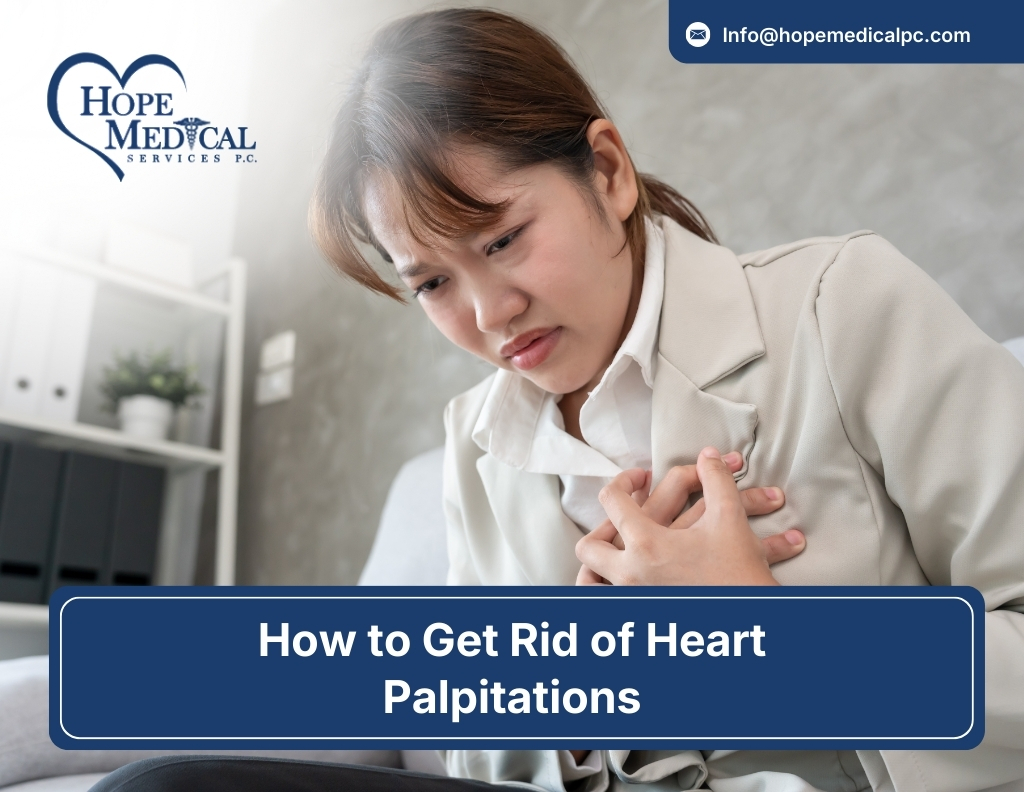
That sudden flutter in your chest, the sensation of your heart skipping a beat, or the pounding feeling that seems to come out of nowhere. If you have experienced any of these, you are not alone. Heart palpitations are one of the most common reasons patients seek cardiac evaluation, and the reassuring news is that most palpitations are entirely harmless.
However, for women experiencing hormonal changes and older adults with age related heart changes, understanding when to worry and how to find relief is essential knowledge. This comprehensive guide will walk you through everything you need to know about managing and preventing heart palpitations.
What Are Heart Palpitations?
Heart palpitations are sensations of a rapid, fluttering, pounding, or irregular heartbeat. They represent an increased awareness of your heartbeat that you normally would not notice during daily activities. You might feel them in your chest, throat, or neck.
How Palpitations Commonly Feel
| Sensation | Description |
| Racing Heart | Feeling like your heart is beating much faster than normal |
| Flip Flopping | Sensation of the heart turning over in your chest |
| Skipped Beats | Feeling like your heart pauses or misses a beat |
| Pounding | Strong, forceful heartbeats you can feel in your chest or throat |
| Fluttering | Light, rapid beating sensation, often in the chest or neck |
| 💡 | Key Insight While palpitations typically last only seconds to minutes and are usually harmless, research shows that approximately 43% have cardiac causes, 31% stem from anxiety or panic, and 16% have no identifiable cause. |
Why Women Are Particularly Susceptible
Women experience palpitations at significantly higher rates than men, largely due to hormonal influences on the cardiovascular system. Estrogen and progesterone directly regulate ion channels in heart muscle cells, and when these hormones fluctuate, the heart’s electrical conduction system becomes more prone to irregular firing.
| 📊 Perimenopausal Women 42% report experiencing palpitations | 📊 Postmenopausal Women 54% report experiencing palpitations |
Hormonal Triggers in Women
| Life Stage | What Happens | Impact on Heart |
| Menstrual Cycle | Heart rate varies by 2.33 bpm between cycle phases | 40% of women with SVT report more episodes premenstrually |
| Pregnancy | Blood volume up 50%, heart rate up 10 to 20% | Over 50% investigated for palpitations have ectopic beats |
| Perimenopause | Estrogen fluctuates erratically, progesterone unpredictable | Creates hormonal roller coaster affecting heart rhythm |
| Thyroid Issues | Affects women 5 to 8 times more than men | Can trigger atrial fibrillation and rapid heart rates |
Age Related Changes That Increase Vulnerability
The aging heart undergoes significant structural and electrical remodeling that increases susceptibility to arrhythmias. Progressive deposition of fatty and fibrous tissue in the sinoatrial node slows electrical conduction velocity throughout the cardiac system.
| Adults Over 65 5% have atrial fibrillation | Adults Over 80 8 to 10% have atrial fibrillation | Stroke Risk 5x higher with nonvalvular AF |
Risk Factors for Older Adults
- Polypharmacy: Loop diuretics and thiazides can cause electrolyte imbalances that destabilize the heart
- Medication Side Effects: Bronchodilators and decongestants can increase heart rate and blood pressure
- Electrolyte Imbalances: Kidney function decline impairs sodium and potassium excretion
- Structural Changes: Muscle cells gradually replaced with collagen and elastin fibers
| ⚠️ | Important for Older Adults Paradoxically, elderly patients with atrial fibrillation often present atypically. Palpitations appear in only 1 in 10 patients aged 80 and older, making regular screening crucial even without symptoms. |
When to Seek Emergency Care
Most palpitations require no treatment and resolve on their own. However, certain warning signs demand immediate medical attention.
| 🚨 CALL 911 IMMEDIATELY IF PALPITATIONS OCCUR WITH: |
| ⚠ Chest pain or pressure ⚠ Fainting or loss of consciousness ⚠ Severe shortness of breath ⚠ Severe dizziness ⚠ Pain in arms, neck, or jaw ⚠ Excessive sweating ⚠ Confusion ⚠ Palpitations lasting more than 30 seconds |
Harmless vs Concerning Palpitations
| ✓ TYPICALLY HARMLESS | ⚠ POTENTIALLY CONCERNING |
| • Single skipped beats • Last only seconds to minutes • Occur during identifiable triggers • No accompanying symptoms • Normal heart evaluation | • Start and stop suddenly • No predictable triggers • Occur at rest • With lightheadedness or fainting • History of heart disease |
How to Stop Heart Palpitations
Immediate Relief Techniques
When palpitations strike, several immediate techniques can help restore normal rhythm. Vagal maneuvers stimulate the vagus nerve, which controls heart rate, achieving a 20 to 40% success rate for restoring normal rhythm in supraventricular tachycardia.
| Technique | How to Perform |
| Valsalva Maneuver | Sit down, take a deep breath, hold it while bearing down as if having a bowel movement for 15 to 20 seconds, then release. Raising your legs immediately after makes it twice as effective. |
| Cold Water Splash | Splash cold water on your face or hold a cold, wet towel to your face for 30 seconds. This triggers the diving reflex, an autonomic response that slows heart rate. |
| Coughing | Cough hard and deep several times. This increases chest pressure, stimulating the vagus nerve and helping to reset your heart rhythm. |
| Box Breathing | Inhale for 4 counts, hold for 4 counts, exhale for 4 counts, hold for 4 counts. Repeat until calm. This activates the parasympathetic nervous system. |
| 4-7-8 Breathing | Inhale through your nose for 4 seconds, hold your breath for 7 seconds, then exhale slowly through your mouth for 8 seconds. |
| ✓ | Pro Tip When palpitations occur, try to stay calm and sit or lie down. Anxiety can make palpitations worse, so focusing on slow, deep breathing while performing vagal maneuvers can increase their effectiveness. |
Long Term Prevention Strategies
Preventing palpitations involves identifying and avoiding triggers while adopting heart healthy habits. Here are evidence based strategies recommended by the American Heart Association:
| ☕ Limit Caffeine No more than 2 cups of coffee daily. Switch to decaf or herbal tea if sensitive. | 🍷 Reduce Alcohol Maximum 1 drink daily for women, 2 for men. Eliminating alcohol entirely is safest. |
| 💧 Stay Hydrated 11.5 cups daily for women, 15.5 cups for men. Dehydration forces the heart to work harder. | 🏃 Exercise Regularly 150 minutes of moderate intensity aerobic activity weekly strengthens heart rhythm. |
| 😴 Prioritize Sleep 7 to 9 hours nightly. Maintain a regular sleep schedule to regulate cardiac rhythms. | 🧘 Manage Stress Practice meditation, yoga, or tai chi. Stress management addresses anxiety driven palpitations. |
Heart Healthy Foods for Rhythm Support
| Magnesium Rich | Potassium Rich | Foods to Avoid |
| • Leafy greens • Nuts and seeds • Legumes • Whole grains • Dark chocolate | • Bananas • Sweet potatoes • Avocados • Spinach • Oranges | • High sodium foods • Excessive sugar • Spicy foods • Energy drinks • Processed foods |
Medical Evaluation and Treatment Options
When you see a doctor for palpitations, expect a thorough evaluation. Understanding what tests may be performed can help you prepare for your appointment.
| Test | What It Does | Success Rate |
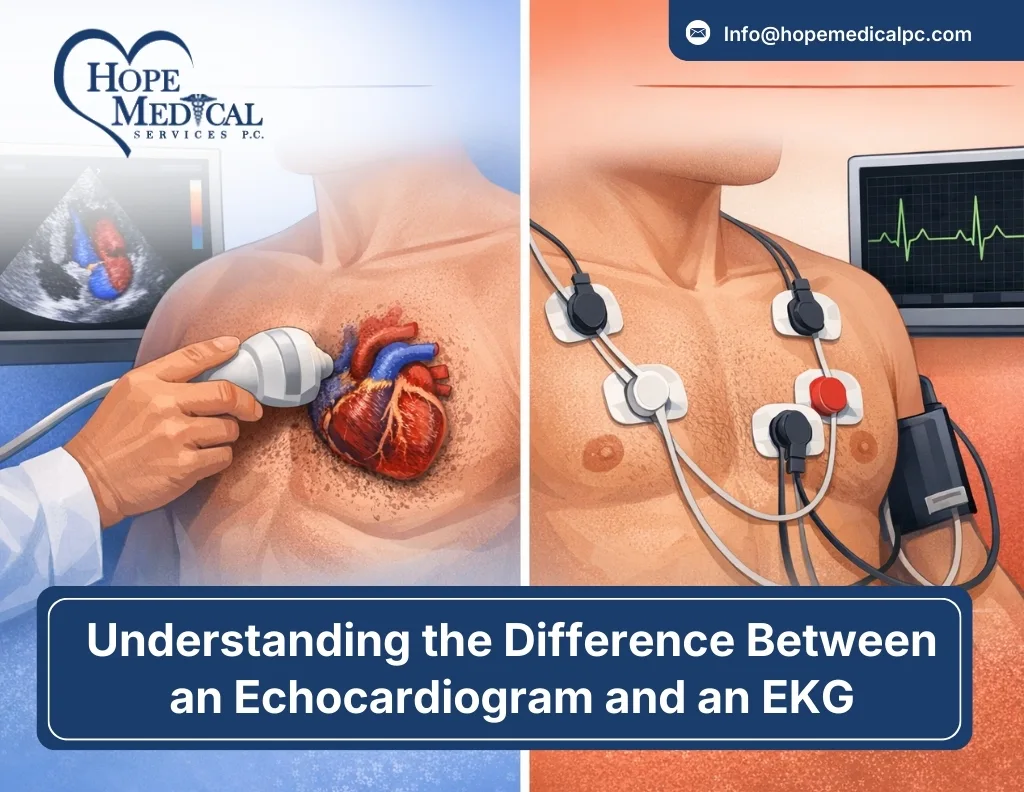
| 12 Lead ECG | Records heart electrical activity in a 6 to 10 second snapshot | First line test for all patients |
| Holter Monitor | Worn continuously for 24 to 48 hours | 33 to 35% diagnostic yield |
| Event Monitor | Worn 2 to 4 weeks, activated during symptoms | 66 to 83% diagnostic yield |
| Echocardiogram | Ultrasound to visualize heart structure | Detects valve problems |
| Blood Tests | Checks thyroid, electrolytes, anemia | Identifies treatable causes |
Treatment Options When Needed
- Beta Blockers (metoprolol, propranolol): First line therapy that slows heart rate by blocking adrenaline effects
- Calcium Channel Blockers (verapamil, diltiazem): Alternative medications for rate control
- Catheter Ablation: Minimally invasive procedure using heat, cold, or electrical pulses to destroy problematic heart tissue. High success rates for SVT and atrial fibrillation
- Hormone Replacement Therapy: For menopausal women, transdermal HRT may help reduce palpitations with careful risk assessment
Key Takeaways
- Most heart palpitations are harmless and resolve without treatment
- Women and older adults face unique risk factors requiring tailored approaches
- Vagal maneuvers and breathing techniques provide effective immediate relief
- Lifestyle changes including diet, exercise, and stress management prevent episodes
- Seek emergency care for palpitations with chest pain, fainting, or lasting over 30 seconds
- Effective medical treatments are available when lifestyle changes are not enough
Take Control of Your Heart Health Today
If you are experiencing heart palpitations and want expert evaluation and personalized treatment, the team at Hope Medical PC is here to help. Our experienced physicians specialize in cardiovascular care for women and older adults.
📞 Schedule Your Appointment Today
Visit us at hopemedicalpc.sysforte.com/ or call our office to book your consultation.
Disclaimer: This article is for informational purposes only and does not constitute medical advice. Always consult with a qualified healthcare provider for diagnosis and treatment of any medical condition.