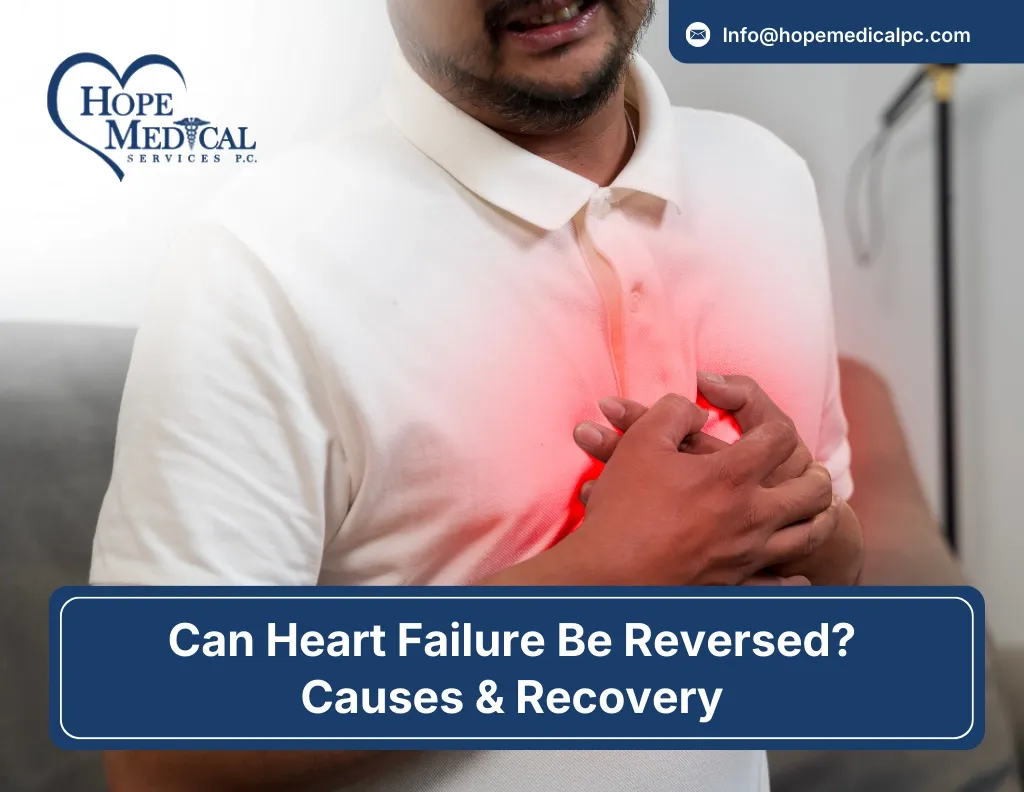
Heart failure refers to a condition in which the heart loses its ability to pump blood efficiently throughout the body. This condition can stem from numerous underlying issues, and depending on what triggers it, restoring the heart to its normal function may be entirely possible.
What Exactly Is Heart Failure?
In the majority of cases, heart failure develops when the heart muscle loses its ability to pump blood with sufficient force, a condition known as systolic heart failure. However, heart failure can also occur even when the pumping action of the heart appears unaffected. This alternate form is referred to as diastolic heart failure.
In diastolic heart failure, the issue lies not with the pumping motion itself, but with how well the heart muscle relaxes between beats. This impaired relaxation disrupts the flow of blood through the body, leading to circulatory complications.
How Is Heart Failure Diagnosed?
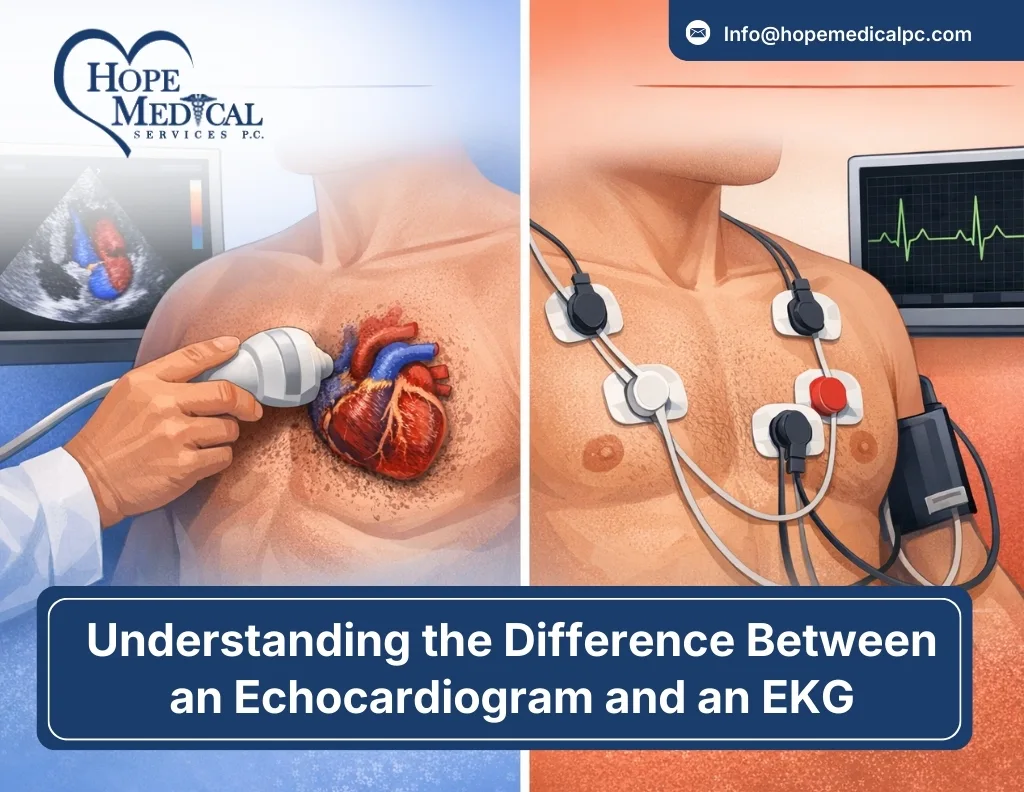
Physicians assess the heart’s pumping capacity using a measurement called the ejection fraction, a figure that reflects how much blood the heart pushes out with every contraction. This is typically measured through imaging tests such as an echocardiogram.
The general benchmarks are as follows:
- Normal ejection fraction: 50–55% or higher
- Mildly reduced: 40–50%
- Moderately reduced: 30–40%
- Severely reduced: below 30%
What Causes Heart Failure?
Heart failure can arise from a broad range of conditions, typically grouped into two major categories: ischemic causes and non-ischemic causes.
Ischemic Causes
Ischemic causes relate to reduced blood supply to the heart, most often resulting from coronary artery disease. When blockages in the coronary arteries lead to a heart attack, the resulting damage to heart tissue can compromise the organ’s pumping ability and eventually result in heart failure.
Non-Ischemic Causes
Non-ischemic causes cover a wide spectrum of conditions unrelated to coronary artery disease, including:
- Chronic, unmanaged high blood pressure, which gradually weakens the heart muscle over time.
- Heart valve abnormalities, such as severe aortic stenosis, aortic regurgitation, or mitral valve regurgitation
- Myocarditis inflammation of the heart muscle, frequently triggered by viral infections
- Exposure to certain medications, including some chemotherapy agents, or substances such as alcohol and illicit drugs
- Irregular heart rhythms (arrhythmias), such as atrial fibrillation or repeated premature ventricular contractions that cause the heart to beat abnormally for extended periods
- Systemic conditions such as sarcoidosis, thyroid disorders, or autoimmune diseases
- Genetically inherited cardiomyopathies caused by hereditary mutations
In many instances, no specific cause can be pinpointed, and the condition is classified as idiopathic
What Does It Mean to Reverse Heart Failure?
Heart failure is considered reversed when a previously reduced ejection fraction climbs back into the normal range. In other words, the heart regains its ability to pump blood effectively.
Can Heart Failure Be Reversed?
Whether heart failure can be reversed largely hinges on the root cause. When high blood pressure is responsible, successfully controlling it can lead to improvements in ejection fraction. Similarly, correcting a faulty heart valve or bringing an arrhythmia under control may allow the heart’s function to normalize.
If alcohol or other substances have contributed to heart failure, discontinuing their use can set the stage for recovery. Certain conditions, such as myocarditis linked to an infection or stress-induced cardiomyopathy, may resolve on their own, given enough time, with the heart gradually returning to normal function.
When coronary artery disease is the underlying culprit, procedures that restore blood flow to blocked vessels may sometimes improve heart function as well.
When Is Recovery Most Likely?
| Factor | Impact on Recovery | Explanation |
| Extent & Duration of Cardiac Damage | Lower likelihood of full recovery | Prolonged issues like alcohol use or persistent arrhythmia progressively damage the heart, making reversal of heart failure harder. |
| Heart Fibrosis / Scar Tissue | Limits the heart’s pumping capacity | Many causes of heart failure lead to scar tissue, which does not regenerate. Extensive scarring can permanently reduce heart function even with optimal treatment. |
| Cardiac MRI Assessment | Estimates recovery potential | MRI scans can determine the amount of scar tissue vs. viable heart tissue, giving physicians insight into possible recovery. |
| Heart Attacks | Greater scarring reduces reversibility | Untreated heart attacks cause cell death and scar formation; longer delays result in more scarring and a reduced chance of reversing heart failure. |
| Follow-up & Reassessment | Determines achievable recovery | Treating the underlying cause and reassessing the ejection fraction helps evaluate whether recovery is possible. |
Bottom Line
Early detection and prompt treatment are critical when it comes to heart failure. Delays in addressing the underlying cause can lead to permanent changes in heart structure, making recovery increasingly difficult.
Lifestyle modifications also play a significant role both in supporting potential recovery and in slowing the progression of heart failure. People living with this condition frequently retain excess fluid, which worsens symptoms and can lead to hospitalizations. Because fluid retention is often aggravated by high sodium or fluid intake, most patients are advised to follow a low-sodium diet and, in some cases, restrict overall fluid consumption.
FAQs
Q1.Can heart failure occur suddenly?
Ans: Yes, heart failure can develop quickly in certain situations, such as after a severe heart attack or a serious viral infection affecting the heart. .
Q2.Are younger people at risk of heart failure?
Ans: Although it is more common in older adults, younger individuals can also develop heart failure due to genetic conditions, viral infections, or long-term substance misuse like alcohol or drugs.
Q3.Can exercise help with heart failure?
Ans: Yes. With medical guidance, tailored exercise programs can improve heart efficiency, circulation, and overall quality of life for people living with heart failure.
Q4. What are the warning signs of worsening heart failure?
Ans: Rapid weight gain, swelling in legs or abdomen, shortness of breath at rest, persistent coughing, or extreme fatigue may signal worsening heart function and should be evaluated promptly.
Q5. Is heart failure hereditary?
Ans: Some forms, especially those caused by genetic cardiomyopathies, can run in families. Family history is an important factor in assessing risk.