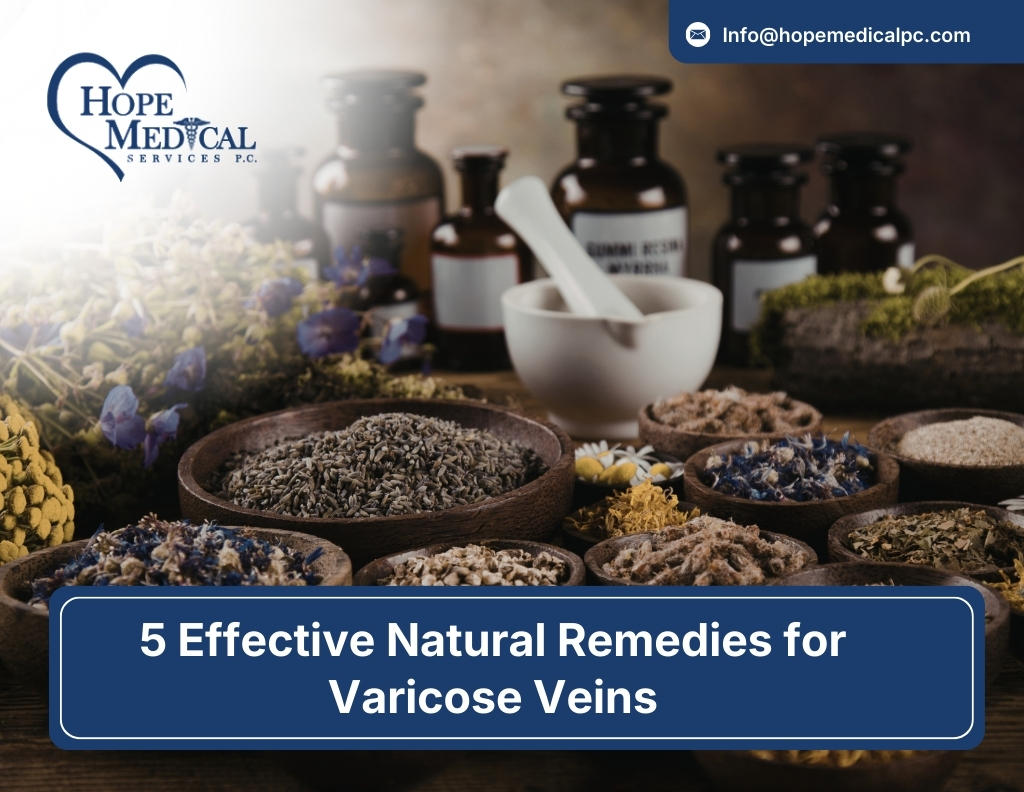
Varicose veins are common, often causing discomfort, swelling, and pain. Many people turn to natural remedies to manage these symptoms, hoping for effective, non-invasive solutions. While some remedies may offer relief, it’s important to know which ones are supported by scientific evidence.
In this blog, we’ll explore five popular natural remedies for varicose veins, discuss their effectiveness, and highlight when professional treatment may be necessary. By the end, you’ll have a clearer idea of what works and when to seek expert advice.
1. Horse Chestnut Extract: A Trusted Herbal Remedy
Horse chestnut extract is one of the most effective natural remedies for varicose veins. It contains aesculin, a compound that strengthens vein walls and improves circulation, making it especially beneficial for those suffering from varicose veins.
What It Does:
Horse chestnut helps reduce common symptoms of varicose veins, such as swelling, pain, and heaviness in the legs. Its anti-inflammatory properties are particularly useful for relieving discomfort. Additionally, it improves blood flow, which can prevent the blood from pooling in the veins, a leading cause of varicose veins.
Key benefits include:
- Reduces swelling and discomfort in the legs.
- Improves blood circulation, helping to prevent blood pooling.
- Eases pain and heaviness caused by varicose veins.
Scientific Evidence:
Research supports the effectiveness of horse chestnut for treating chronic venous insufficiency (CVI), a condition often linked to varicose veins. A study published in Phytotherapy Research (2000) found that horse chestnut extract significantly reduced leg swelling and pain, offering relief for those suffering from varicose veins.
How to Use It:
Horse chestnut is available in both oral supplements and topical creams. To get the best results, you can apply the cream directly to the affected area or take oral supplements regularly. For mild varicose veins, this remedy can help reduce discomfort and improve circulation over time.
2. Turmeric (Curcumin): A Natural Anti-inflammatory
Turmeric, particularly its active compound curcumin, is well-known for its anti-inflammatory and antioxidant properties. These qualities make it a popular natural remedy for managing varicose veins.
What It Does:
Curcumin helps reduce inflammation, a key factor in varicose vein discomfort. Improving blood flow and reducing swelling can alleviate some of the common symptoms of varicose veins, such as leg heaviness, pain, and swelling. Additionally, its antioxidant properties help protect blood vessels from oxidative damage.
Key benefits include:
- Reduces inflammation and swelling in affected veins.
- Supports healthy blood circulation, improving vein function.
- Helps alleviate pain and heaviness caused by varicose veins.
Scientific Evidence:
While research specifically on turmeric for varicose veins is limited, studies have shown that curcumin can reduce inflammation and improve circulation in the body. A study published in the Journal of Cardiovascular Pharmacology found that curcumin helps reduce markers of inflammation in patients with vascular diseases, which could benefit those with varicose veins. [Journal of Cardiovascular Pharmacology, 2016]
How to Use It:
Turmeric can be consumed in a variety of ways, including as a spice in food, turmeric tea, or curcumin supplements. For topical application, turmeric can be mixed into a paste with water or oil and applied directly to the affected area. Consistent use is key to seeing improvements.
3. Apple Cider Vinegar: The Popular Home Remedy
Apple cider vinegar (ACV) is a well-known home remedy that many people use to manage varicose veins. With its high levels of acetic acid, ACV is believed to improve circulation and reduce swelling, making it a popular option for those seeking natural relief.
What It Does:
ACV is thought to help enhance blood circulation, which can reduce the pooling of blood in the veins, a common cause of varicose veins. Its anti-inflammatory properties may also help alleviate swelling and discomfort in the legs. Some people also use it to improve skin tone and reduce the appearance of varicose veins.
Key benefits include:
- Improves blood circulation in the legs.
- Reduces swelling and inflammation associated with varicose veins.
- Helps improve the appearance of varicose veins over time.
Scientific Evidence:
While apple cider vinegar is widely used as a natural remedy, scientific evidence specifically supporting its effectiveness for varicose veins is limited. Some studies suggest that ACV can help with swelling and leg discomfort, but it is not a cure for varicose veins. An article in the International Journal of Dermatology (2007) mentioned that while ACV may relieve mild swelling, more research is needed to understand its full impact on varicose veins.
How to Use It:
ACV can be applied topically by diluting it with water and massaging it into the affected area. Alternatively, you can consume it by mixing one to two tablespoons of ACV in a glass of water. For best results, ACV should be used regularly as part of a broader lifestyle regimen.
4. Grape Seed Extract: Protecting Vein Health
Grape seed extract is rich in antioxidants, particularly proanthocyanidins, which are known for their ability to strengthen blood vessels and improve circulation. This makes grape seed extract a powerful remedy for varicose veins and other circulatory issues.
What It Does:
Grape seed extract helps improve circulation, strengthens the walls of blood vessels, and reduces oxidative stress in the veins. Its antioxidant properties help protect veins from damage, making it an excellent choice for improving vein health and preventing the progression of varicose veins.
Key benefits include:
- Strengthens blood vessels and improves overall vein health.
- Reduces oxidative stress, protecting veins from damage.
- Improves circulation, which can alleviate symptoms like pain and swelling.
Scientific Evidence:
Studies have shown that grape seed extract can help manage chronic venous insufficiency (CVI), a condition often associated with varicose veins. A study published in Vascular Pharmacology (2011) demonstrated that grape seed extract significantly reduced pain, swelling, and heaviness in the legs, providing relief for those with varicose veins.
How to Use It:
Grape seed extract is available in capsules and liquid form. To gain the full benefits, it is recommended to take the extract consistently as part of your daily routine. It can be used alongside other remedies to support vascular health.
5. Compression Therapy: The Most Effective Non-invasive Treatment
Compression therapy is one of the most widely recommended treatments for varicose veins and is considered highly effective for managing symptoms.
What It Does:
Compression stockings apply gentle pressure to the legs, which helps improve blood flow and prevent blood from pooling in the veins. This reduces swelling, alleviates pain, and can even prevent the worsening of varicose veins.
Key benefits include:
- Improves blood circulation in the legs.
- Reduces swelling and discomfort caused by varicose veins.
- Helps prevent further progression of varicose veins.
Scientific Evidence:
Compression therapy is one of the most evidence-backed treatments for varicose veins. According to a study published in The Cochrane Database of Systematic Reviews (2014), compression stockings significantly reduce pain, swelling, and discomfort in individuals with varicose veins. It’s also known to improve the quality of life for people dealing with chronic venous insufficiency.
How to Use It:
Compression stockings come in a range of pressure levels, from mild to strong. Choosing the right level depends on the severity of the symptoms. Compression stockings should be worn during the day and can be worn during physical activity or prolonged sitting/standing to ensure proper circulation.
Conclusion
Remedies like horse chestnut extract, turmeric, apple cider vinegar, and grape seed extract may provide relief by reducing inflammation, improving circulation, and supporting overall vascular health. However, it’s important to remember that these remedies are not cures for varicose veins.
If you’re experiencing persistent symptoms or have concerns about your varicose veins, schedule a consultation with Hope Medical. Our team of specialists can provide personalized treatment plans to help you manage your vein health effectively.